IPCI and Responsibility
The International Pernambuco Conservation Initiative (IPCI) brings together musicians, bow makers, scientists and nature experts. Together, we work for the sustainable and responsible protection of this special wood.
What will this talk cover? I would like to show you the role CITES plays today for pernambuco and bow making. At the end of 2025, the crucial question was whether pernambuco would be transferred from Appendix II to Appendix I. That did not happen.
Pernambuco remained in Appendix II, but with new and considerably stricter rules. Today, I would like to explain what this decision means for us as bow makers and what tasks lie ahead.
A trade ban alone will not save the trees. What really helps is effective forest legislation. People who use the wood responsibly while protecting nature need support. Many people around the world are already taking a different path: they are accepting responsibility.
They are working together to protect both nature and music.
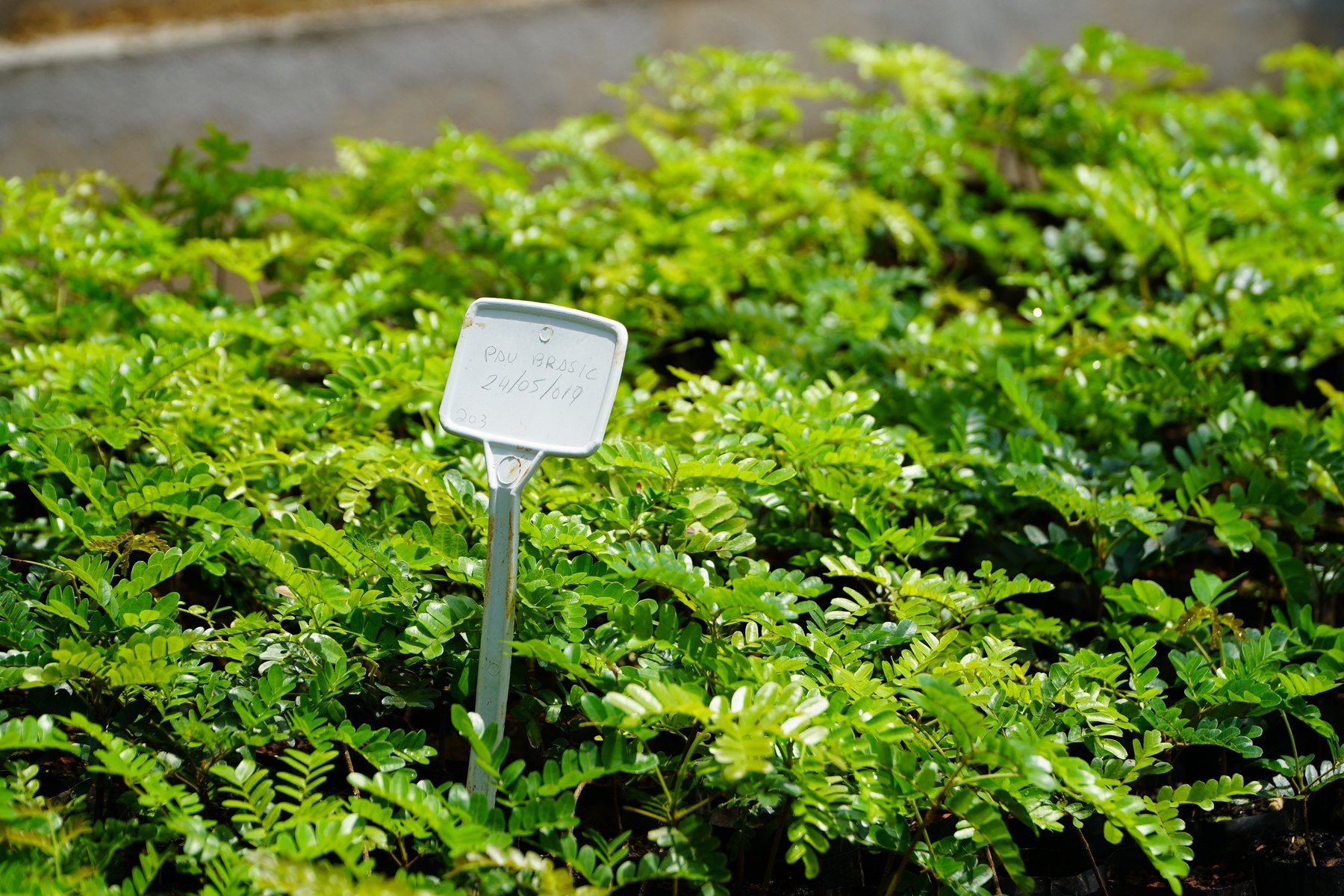
More than 25 years ago, committed individuals recognised that the pernambuco tree was in danger. Bow makers joined forces. They wanted to help, drawing on their knowledge, craftsmanship and support from around the world. In May 2000, they founded the International Pernambuco Conservation Initiative, IPCI. This initiative shows that protecting nature and culture can go hand in hand.
What began as a small group is now a worldwide project. IPCI now has over 400 members in 18 countries. They include bow makers, musicians, scientists, foresters and nature enthusiasts. They come from different countries and professions. Yet we all share one goal: to protect the pernambuco tree, and to do so now.
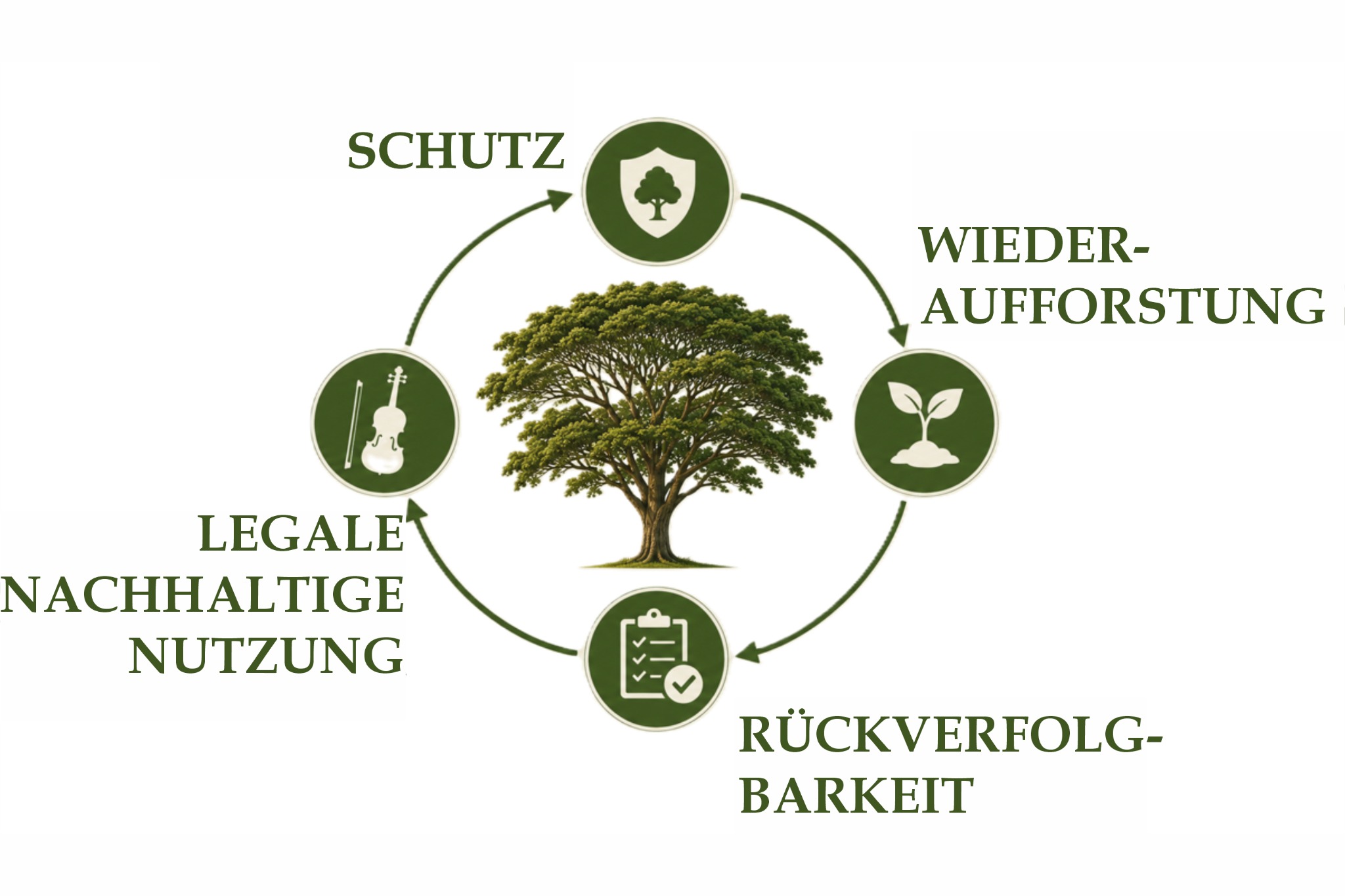
We need to plant new trees, use the wood carefully and responsibly, and follow the science.
As one IPCI member once said: “It is not only the wood that connects us; it is the responsibility.”
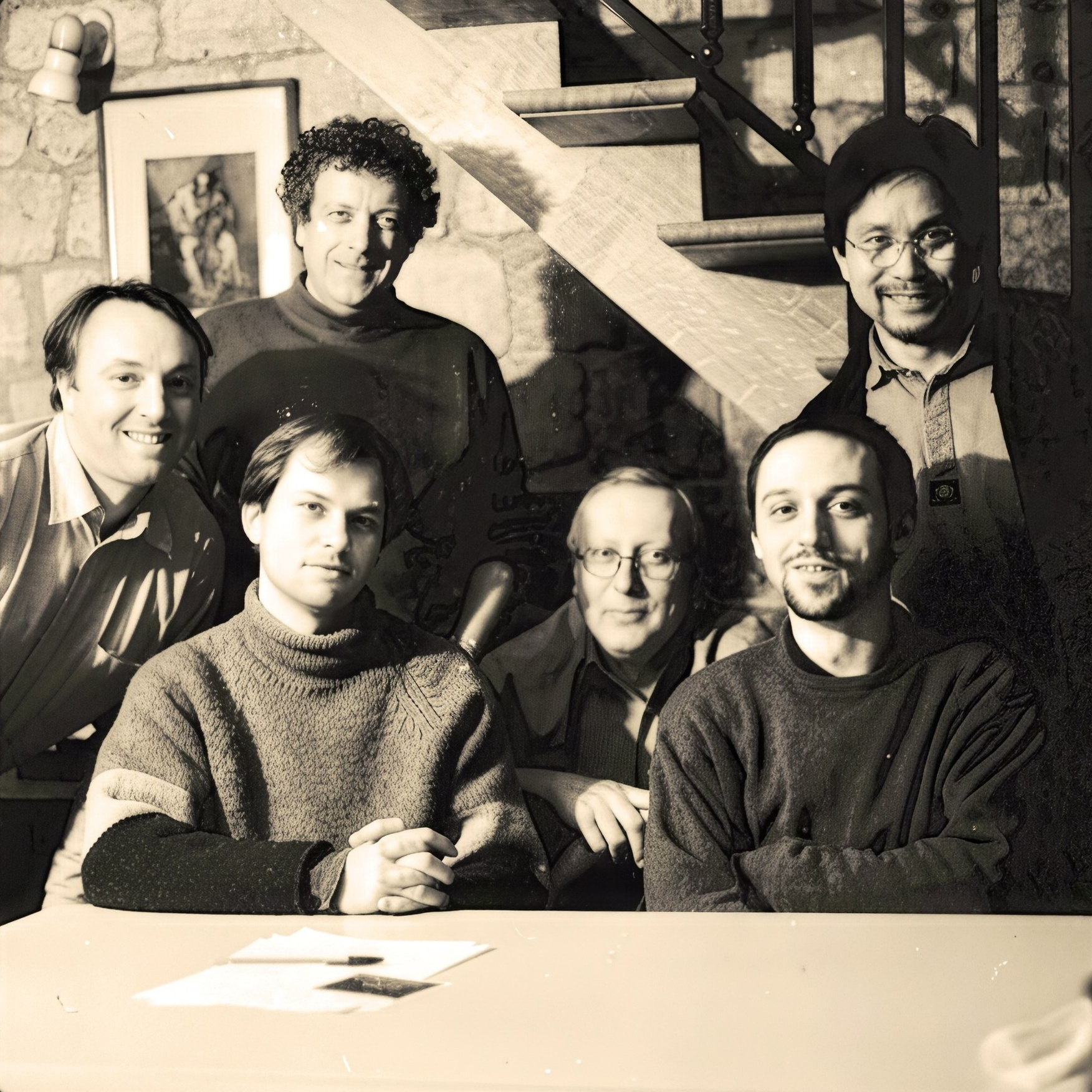
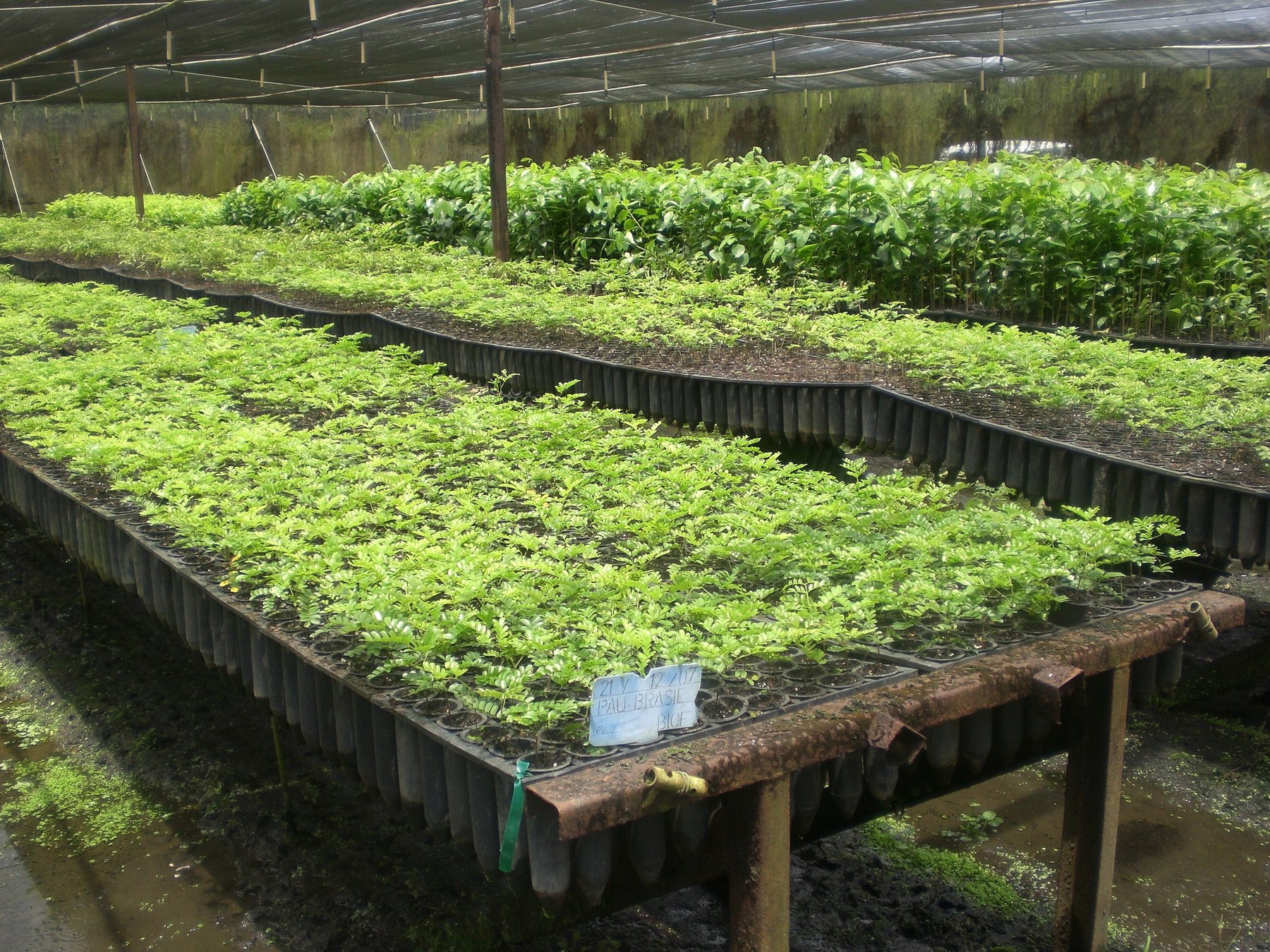
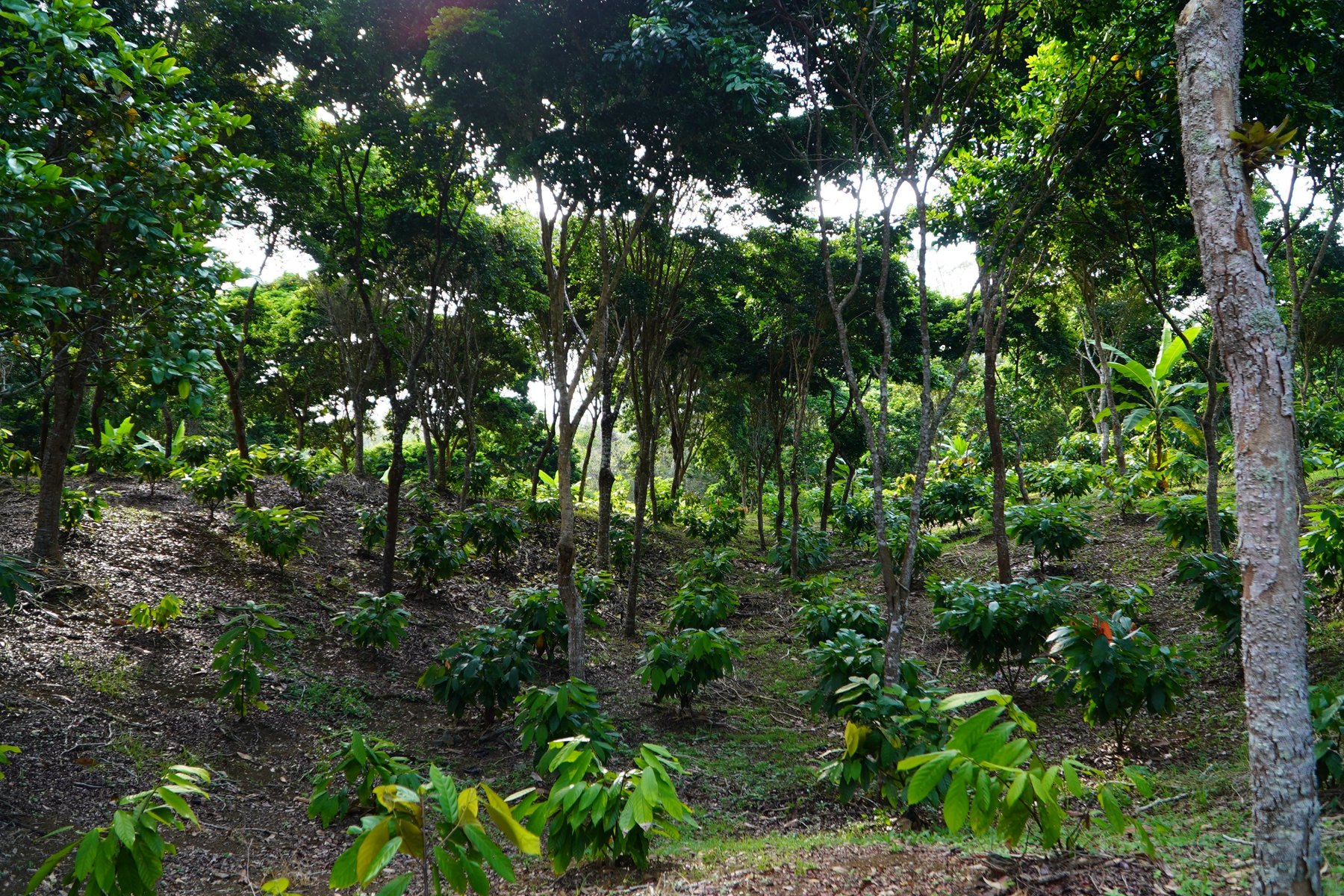
Reforestation: Seedlings Become Forests
Of the roughly 3 million pernambuco trees planted so far, about 340,000 were planted with IPCI support. Many were planted on private land, in cooperation with landowners and local communities. What began as small seedlings in nurseries has grown into strong trees, now found in many places.
Before-and-after photographs clearly show the success: places that were once dry and bare are now green and full of life. IPCI began distributing seedlings in 2004, working with local nurseries and committed partners.
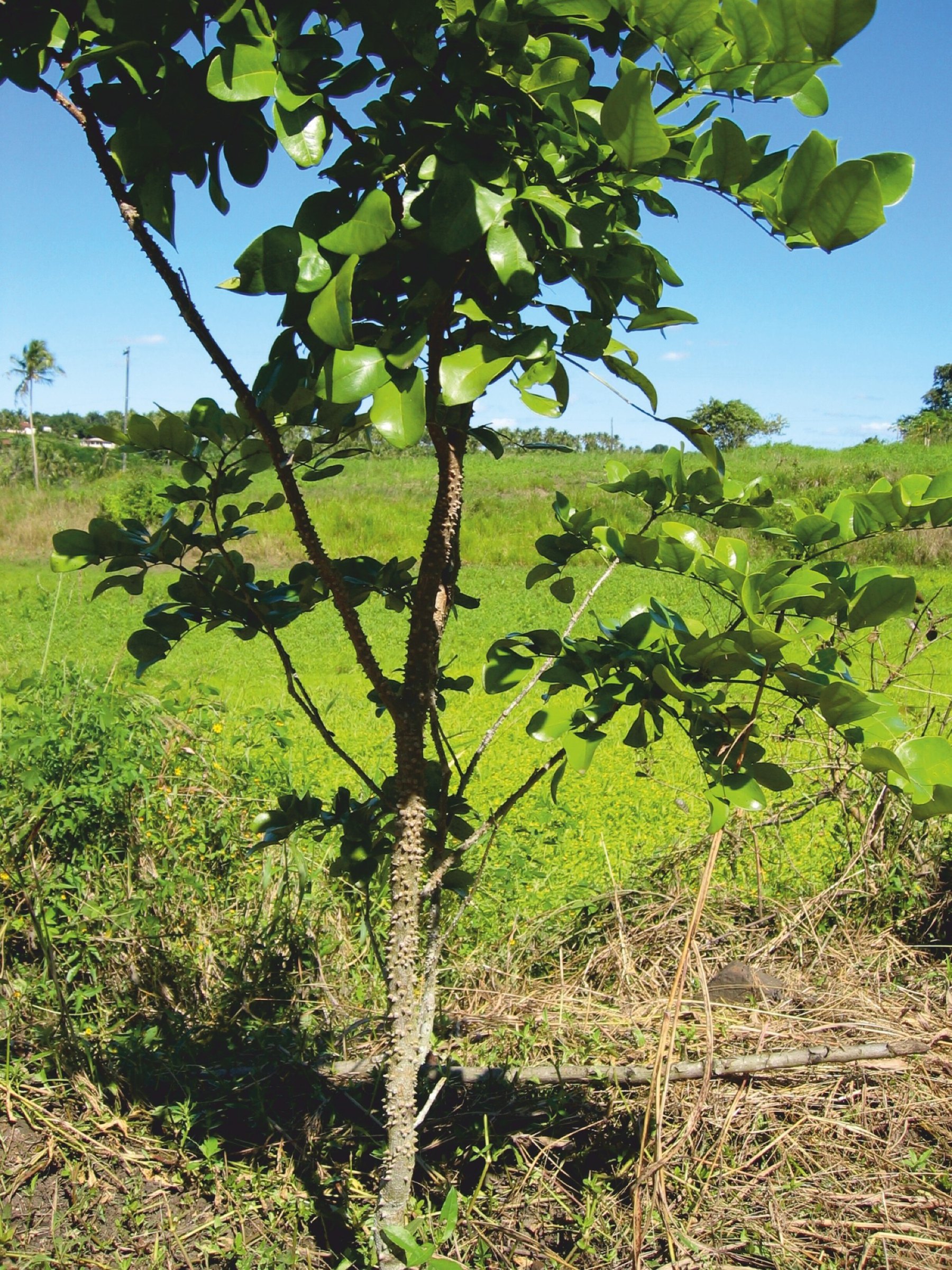
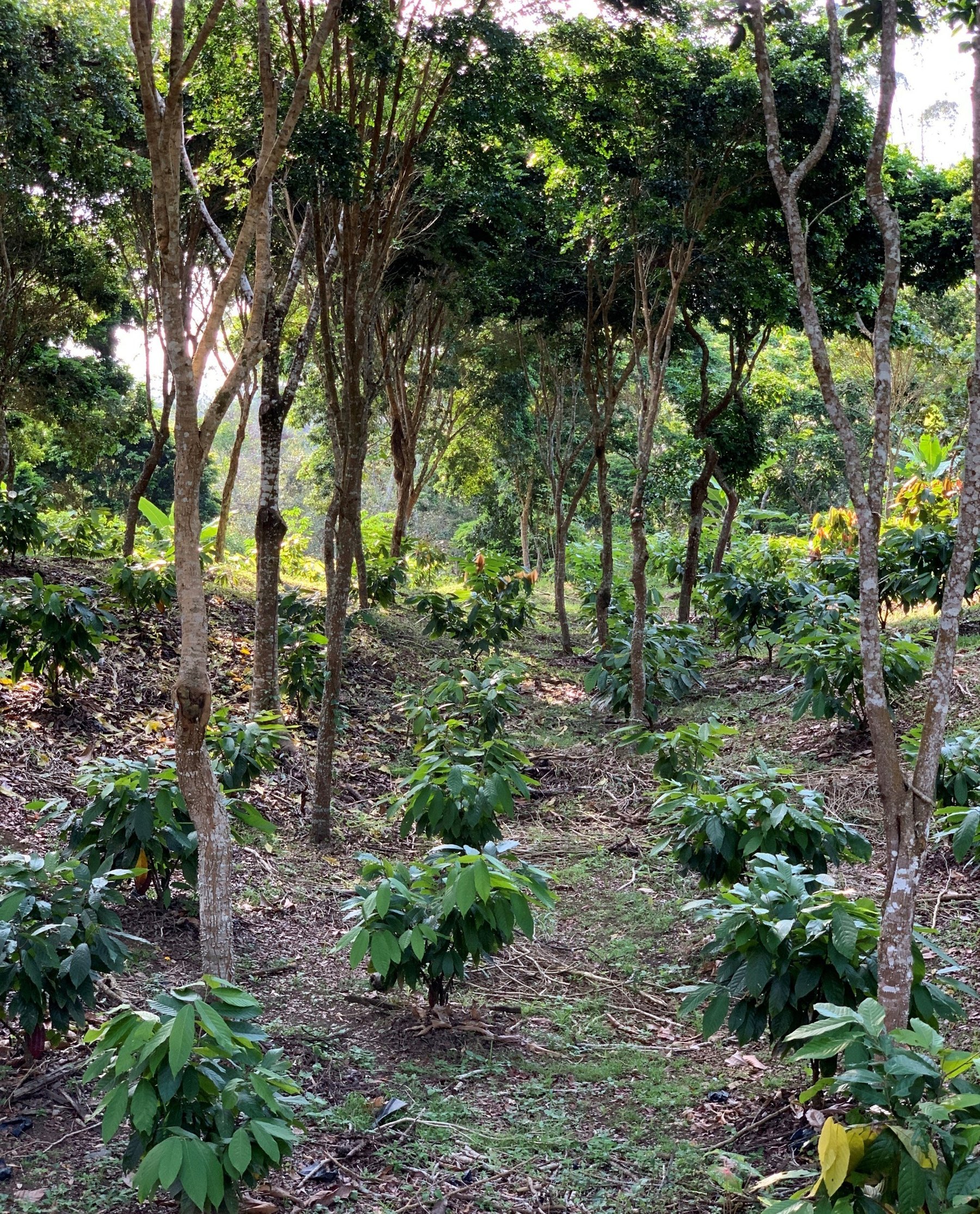
Government support has strengthened the programme. It has shown that culture and nature can be protected together. A better future is more than a dream. It can grow, starting with a tree. But planting trees is not enough. We also need people who use the wood responsibly. Musicians, for example: those who play with a pernambuco bow every day. They bear a special responsibility for the instrument, the tree and its history.
Music, History, and Pernambuco
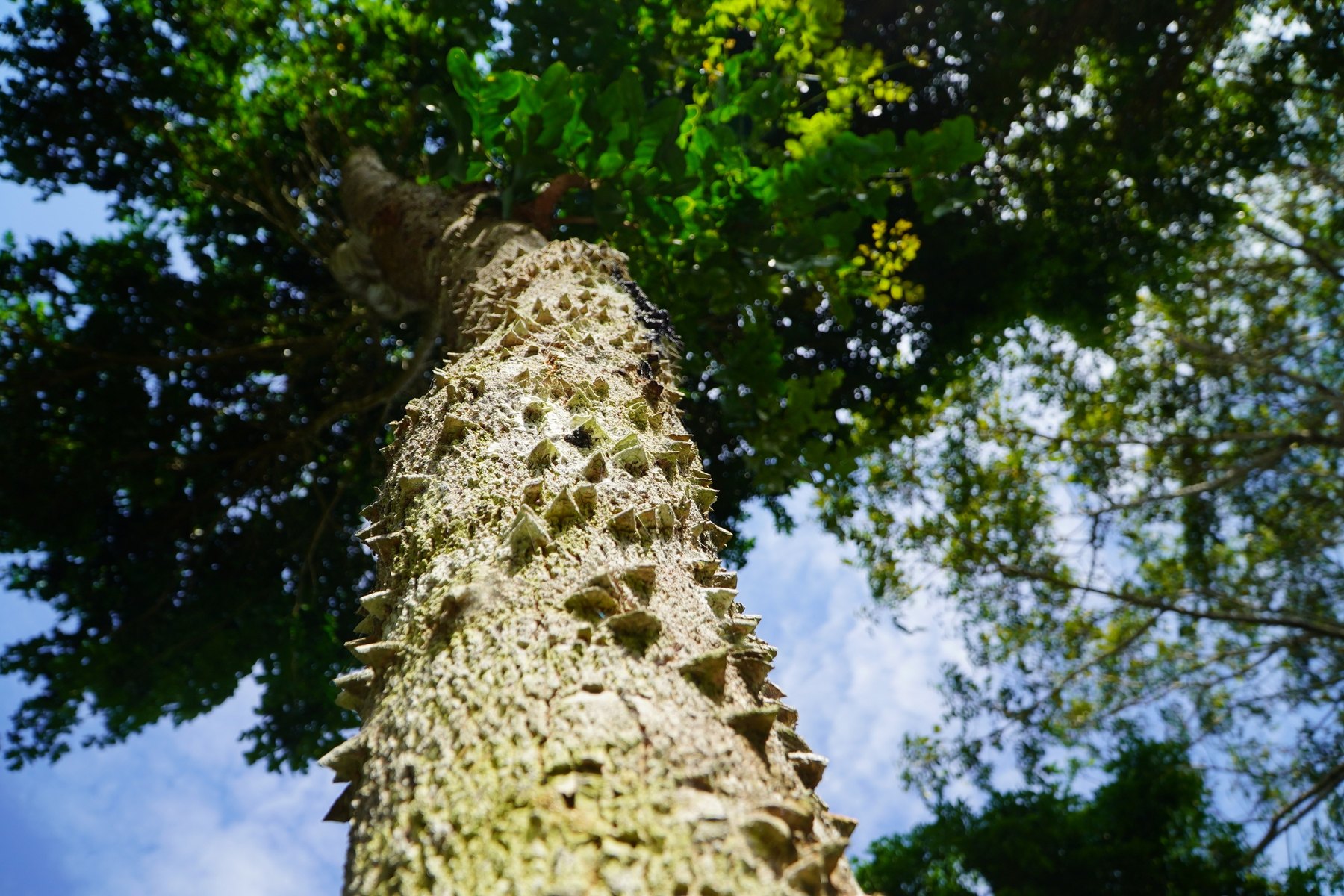
Music connects with our hearts and moves us deeply. Melodies allow us to revisit memories that comfort us and express joy. Music connects people across borders and generations. String players need outstanding materials to perform. Their bows are predominantly made of pernambuco. In Brazil, this wood is called Pau Brasil. The tree grows only in a small part of Brazil.
The name Pau Brasil has a special meaning.
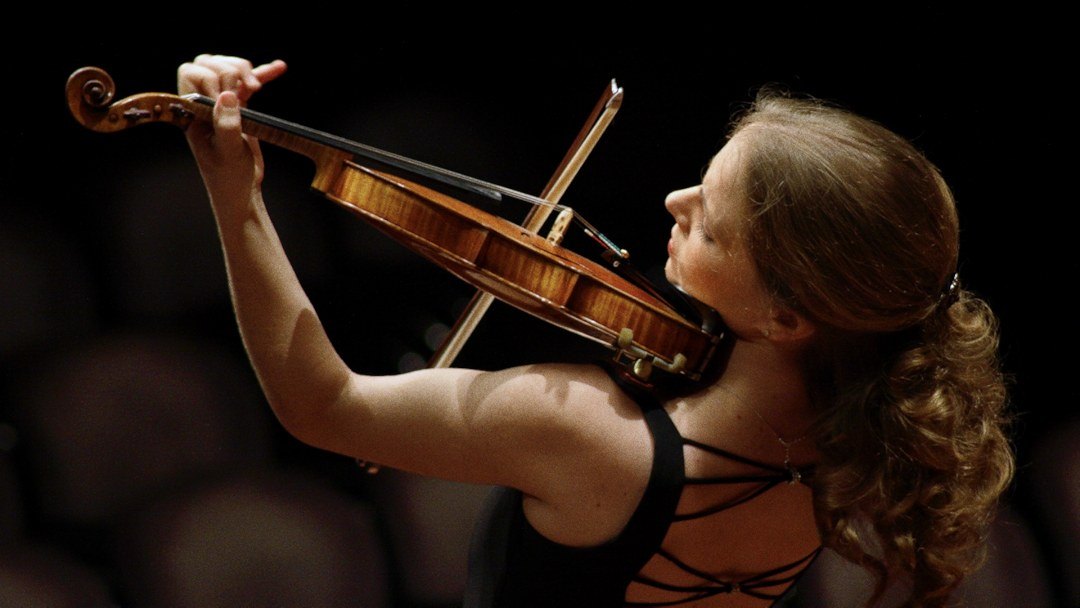
“Pau” means “wood”, while “Brasil” can be translated as “glowing embers”. Pau Brasil thus means something like “wood the colour of glowing embers”.
In the 16th century, the Portuguese were the first to use this wood for trade with Europe. Pau Brasil was shipped to Europe to dye fabrics. All this happened long before the trade in sugar, coffee or tropical timber began.
Brazil named itself after this tree, such was its importance to the country.
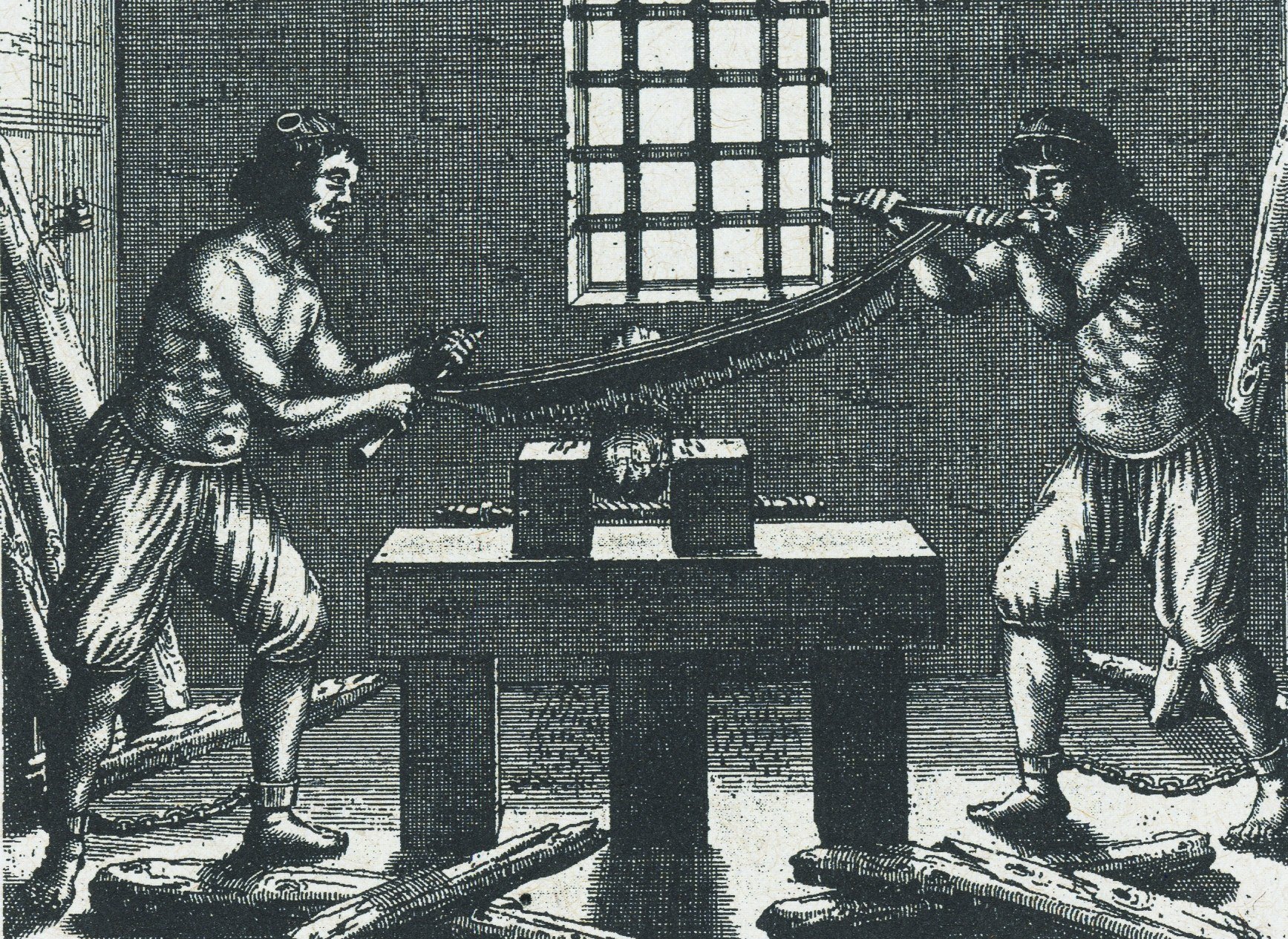
Over the centuries, large quantities of pernambuco were shipped to Europe. Along the Atlantic coast, prisoners were forced to grind the wood into powder. They were known as “raspers”.
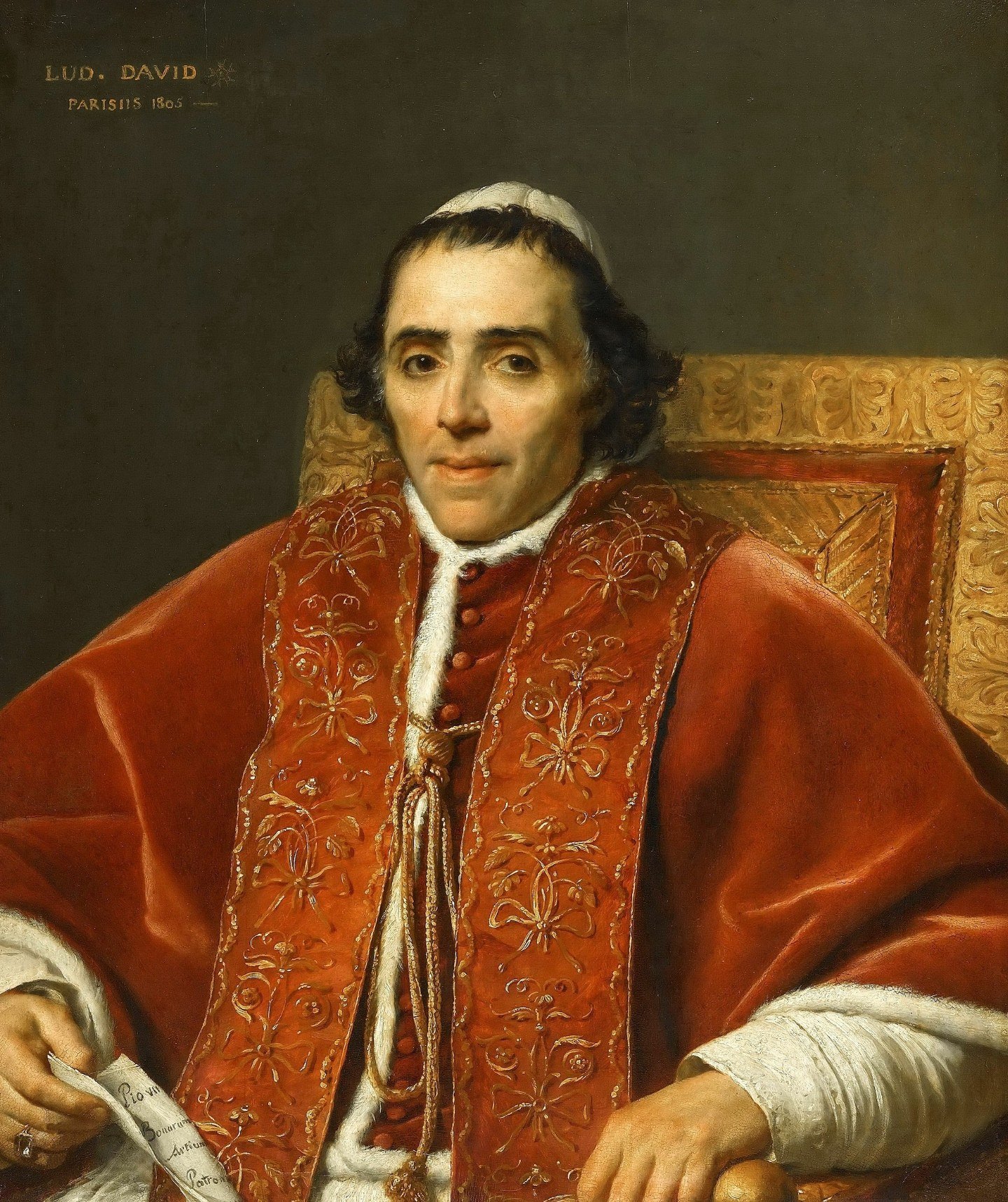
The powder was sent to Florence to dye fabrics. For the first time, red garments were available not only to kings, but also to nobles and clergy.
On the right, you can see Pope Pius VII wearing a garment dyed with pernambuco. Large quantities of this wood were stored in French ports. Around 1800, a brilliant bow maker named Tourte began using it for bow making. His name was François Xavier Tourte.

Let us take a moment to reflect on this connection: the connection between music and nature, between craftsmanship and responsibility for endangered species.
So what can we do to preserve the international tradition of playing music with a bow? We must protect the wood and plant replacement trees, change laws and spread the message: we must be able to continue making music with our bows everywhere in the world.
What makes our bows so special? Why do musicians speak about their bows with such respect? Many dream of one day playing a genuine Tourte bow. It is supple and velvety. Its sound has a hint of amber. The bow connects with the string and draws the most beautiful sound from the instrument.
What makes an outstanding bow? How does it change an instrument’s sound and possibilities?
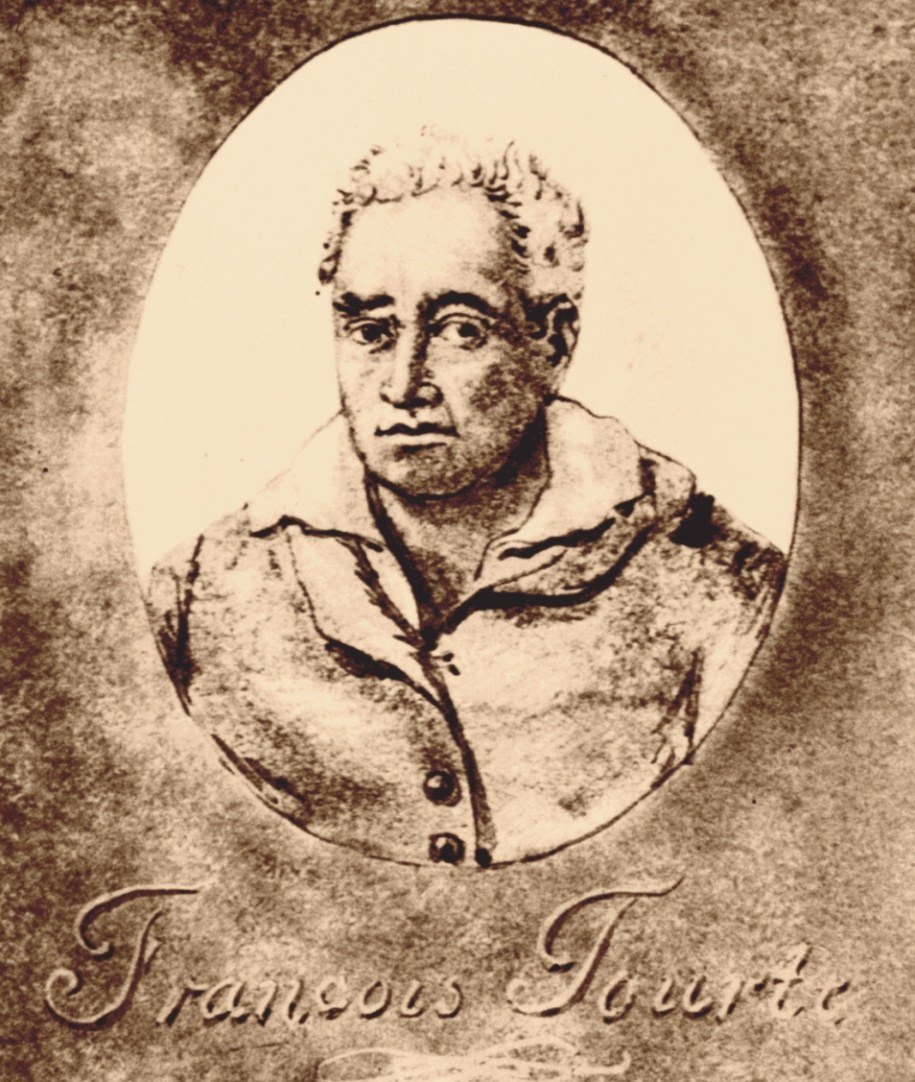
Around 1800, François Xavier Tourte and his family fundamentally changed the shape of the bow. In doing so, they laid the foundations for the modern bow for string instruments. Around 1800, François Xavier Tourte and his family fundamentally changed the shape of the bow.
Within a few decades, the bow became a new tool: flexible, balanced and precise. Its shape has hardly changed since. His bows are so sought after today that they often sell for well over €100,000.
What advantages does pernambuco offer in bow making? I could speak about that for hours. Here, however, I will say only this: it is strong, flexible, dimensionally stable and exceptionally well suited to producing a rich sound. The pernambuco that Tourte discovered is the heart and soul of the modern bow. We must protect it, because it is now in danger.
For over 200 years, it has been central to musical expression. Today, the tree is on the Red List of threatened species.
Threats to the Atlantic Forest
Pernambuco grows exclusively in Brazil’s Atlantic rainforest. This forest is extraordinarily rich in species, but severely damaged. Today, less than 9% of its original area remains.
This is why pernambuco has also declined so dramatically. The trees are now weakened, overexploited or illegally felled. For this reason, trade in pernambuco was brought under protection in 2007. Since then, it has been listed in Appendix II of the Convention on International Trade in Endangered Species of Wild Fauna and Flora, CITES.
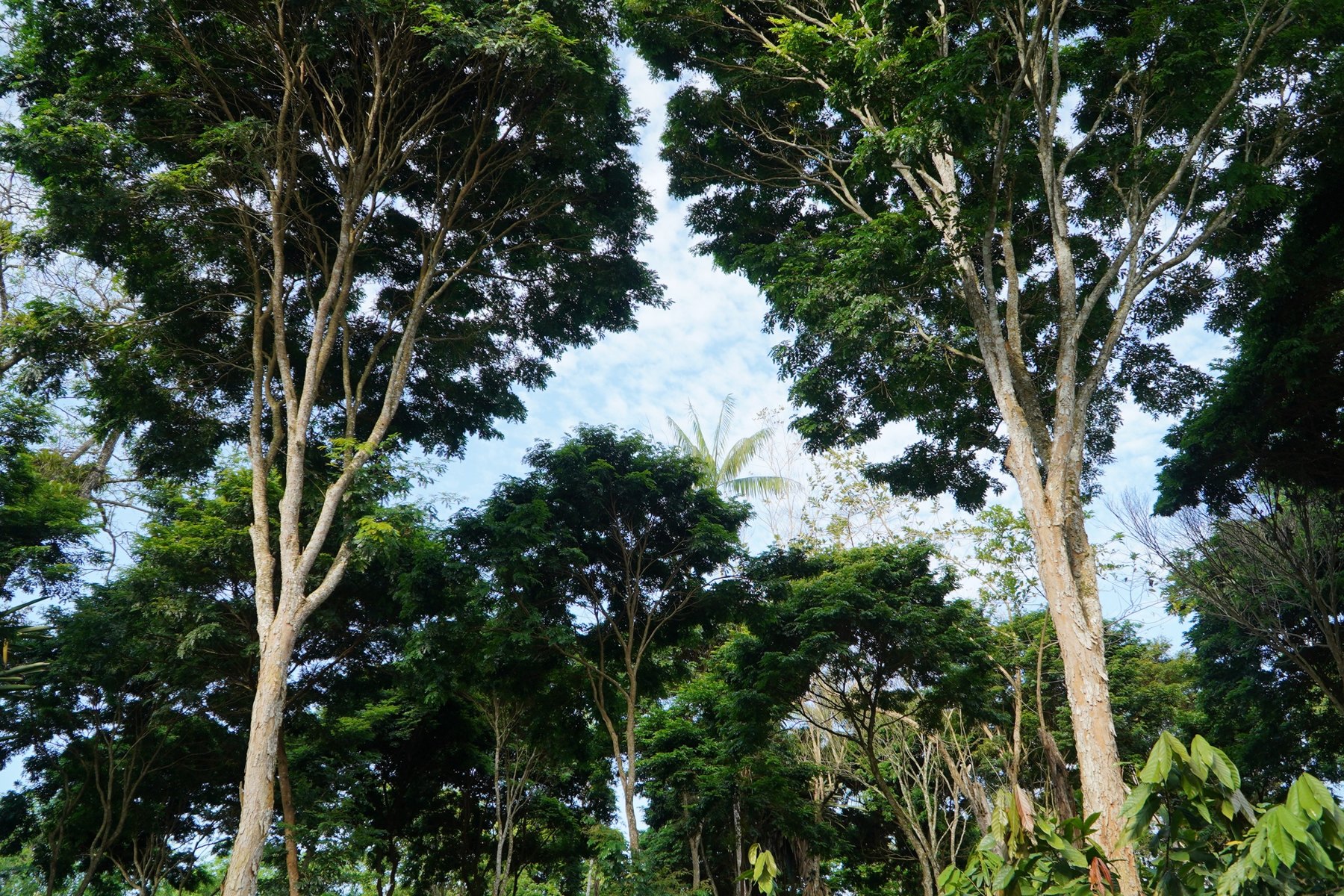
I will explain CITES in more detail later in this talk; for now, this much: CITES is an international agreement regulating cross-border trade in endangered animal and plant species. Pernambuco has been listed in Appendix II since 2007. International trade is therefore controlled and may require permits and supporting documents. Additional rules have applied to pernambuco since 2026. I will return later to what this means in practice today. The aim is to protect the tree effectively while allowing controlled, responsible use.
“Planting Water”
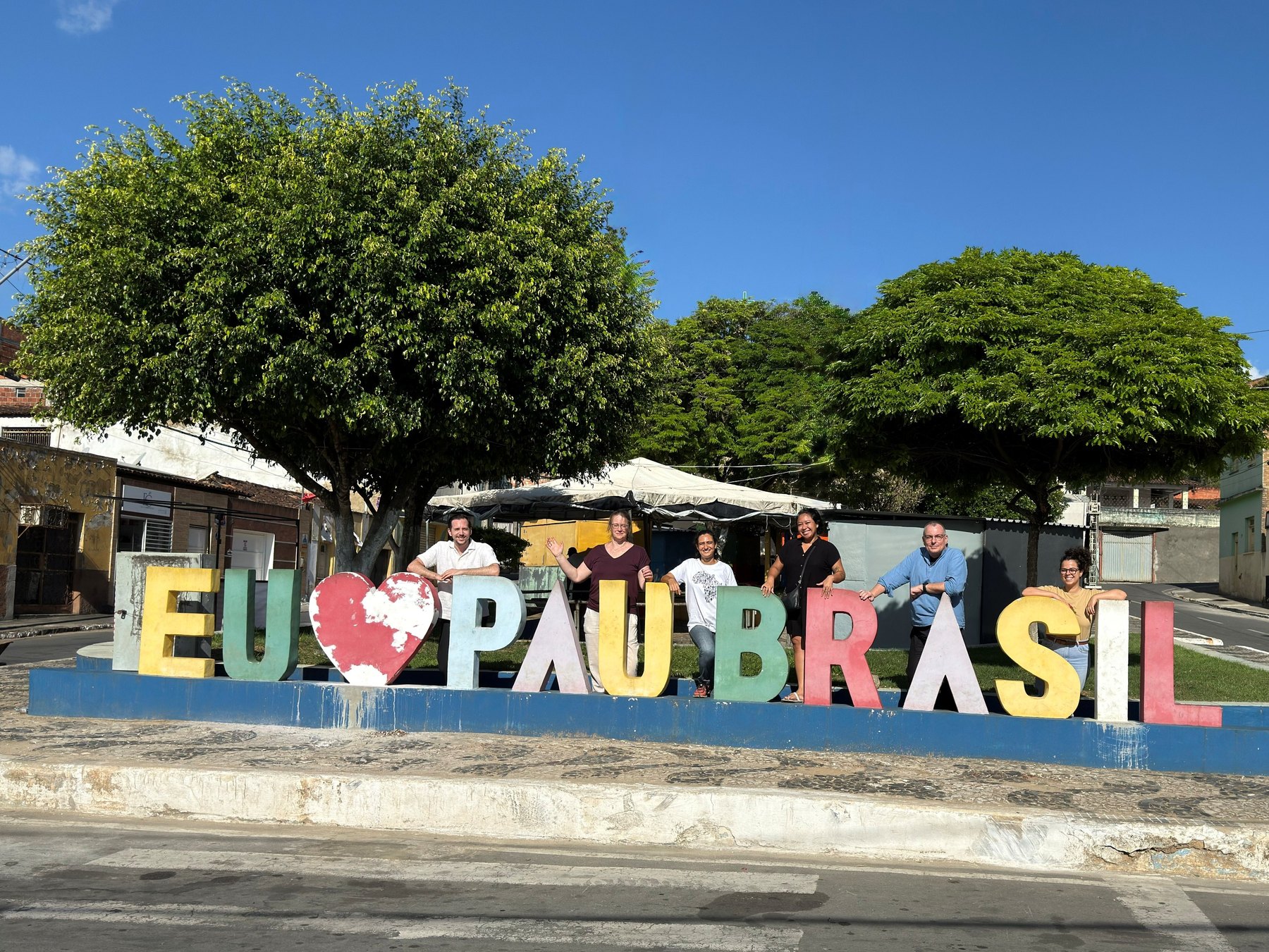
Together with organisations in Brazil, we at IPCI are trying to address precisely this. Let us take a short trip to the area around the small town of Pau Brasil.
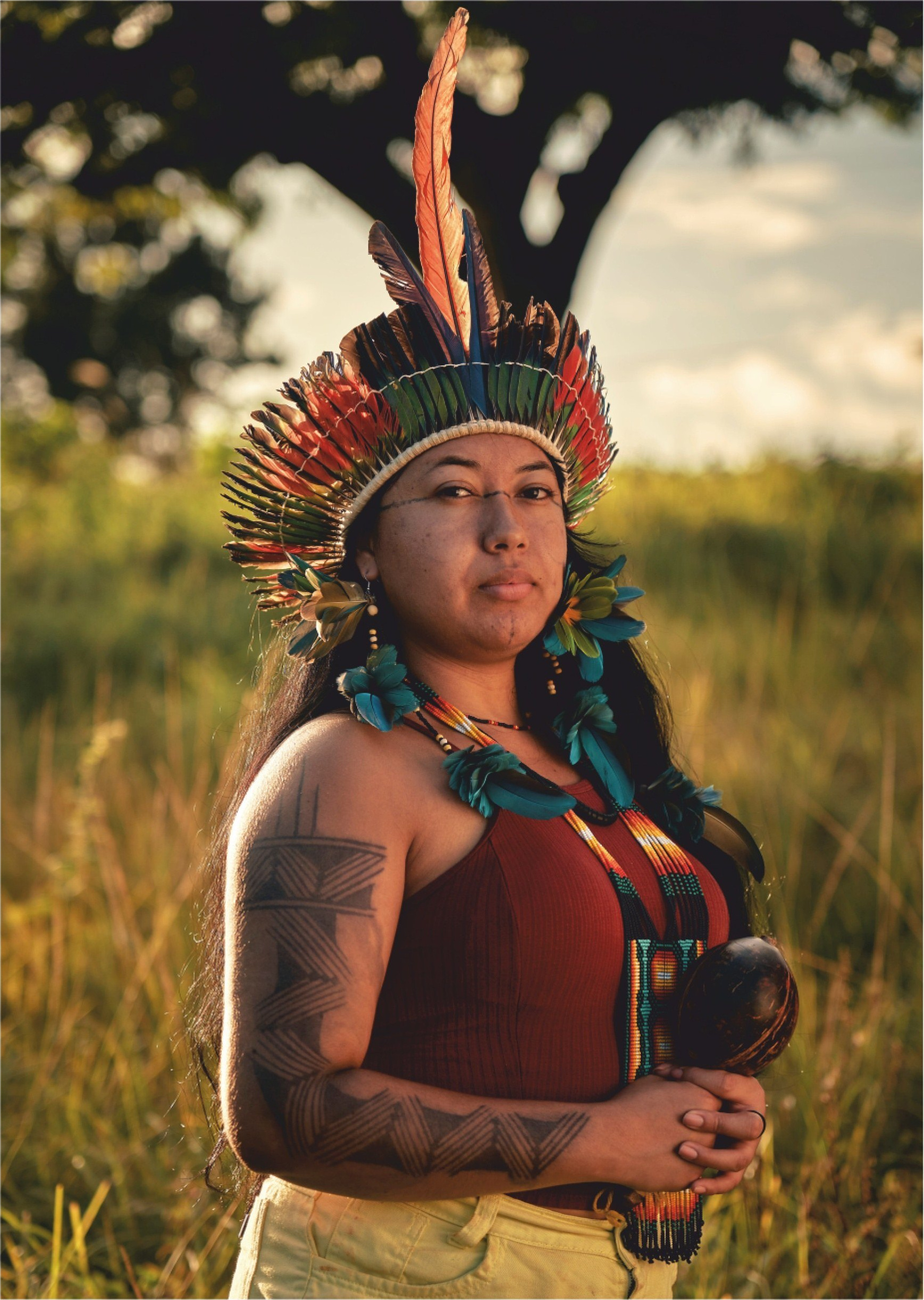
The Indigenous Pataxó Hã-Hã-Hãe community lives there. For a long time, their land was occupied and exploited by white farmers. Hamangai Pataxó is a young activist who fights for the rights of her people and of women. Together, we are working on the “Planting Water” project.
In December 2024, we travelled to her homeland: the Pataxó Hã-Hã-Hãe reserve, about 17 kilometres from the town of Pau Brasil. This land has a painful history. For many years, it was unlawfully taken from Indigenous families and used by large Brazilian landowners. In the 1990s, after many years of bloody conflict, the land had to be returned to the Indigenous families.
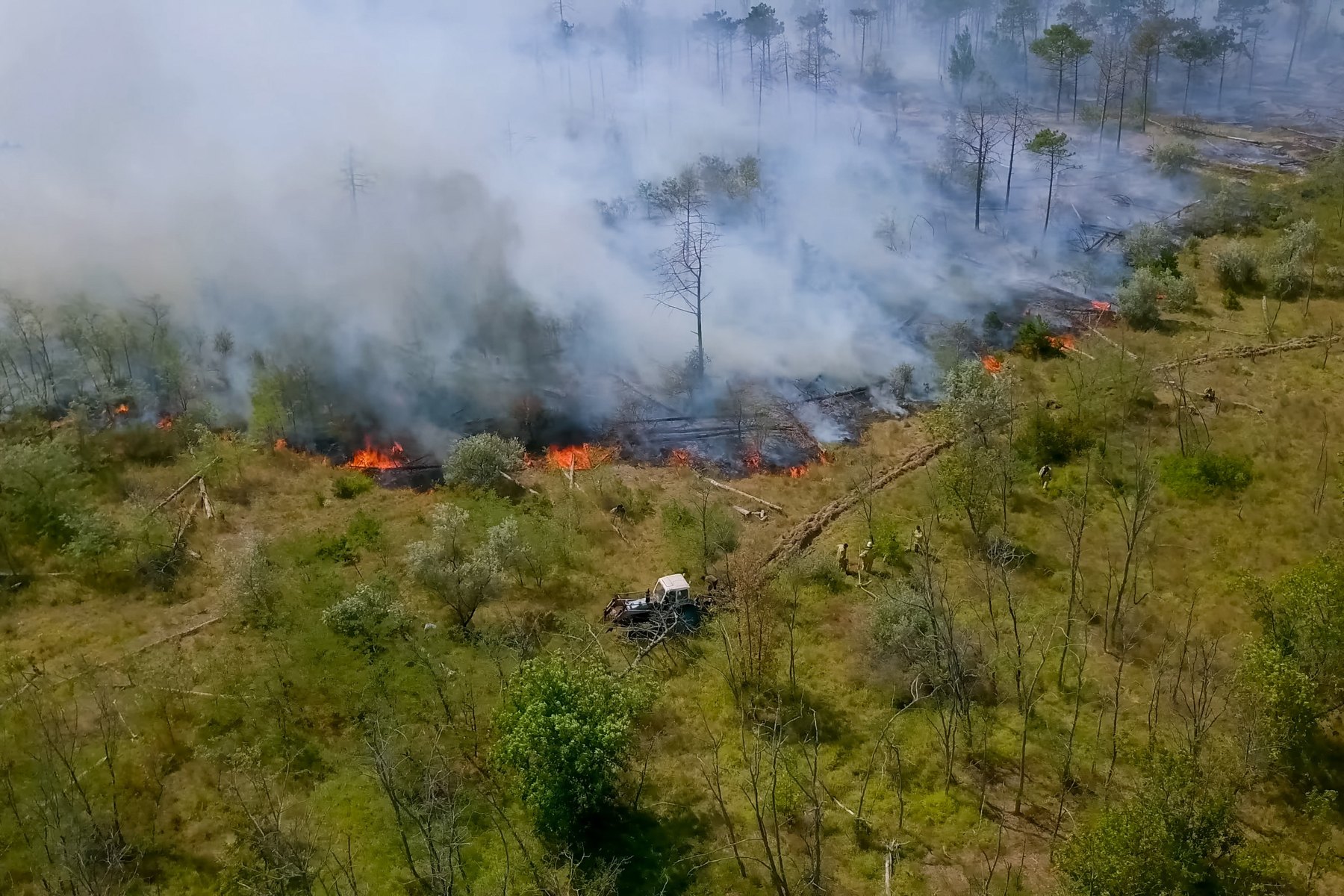
The Brazilian landowners left the land devastated. Instead of a fresh start, revenge followed. Fields and forests were burned. The soil was poisoned. Water sources were destroyed.
The river that once sustained life is now only a small trickle, sometimes completely dry.
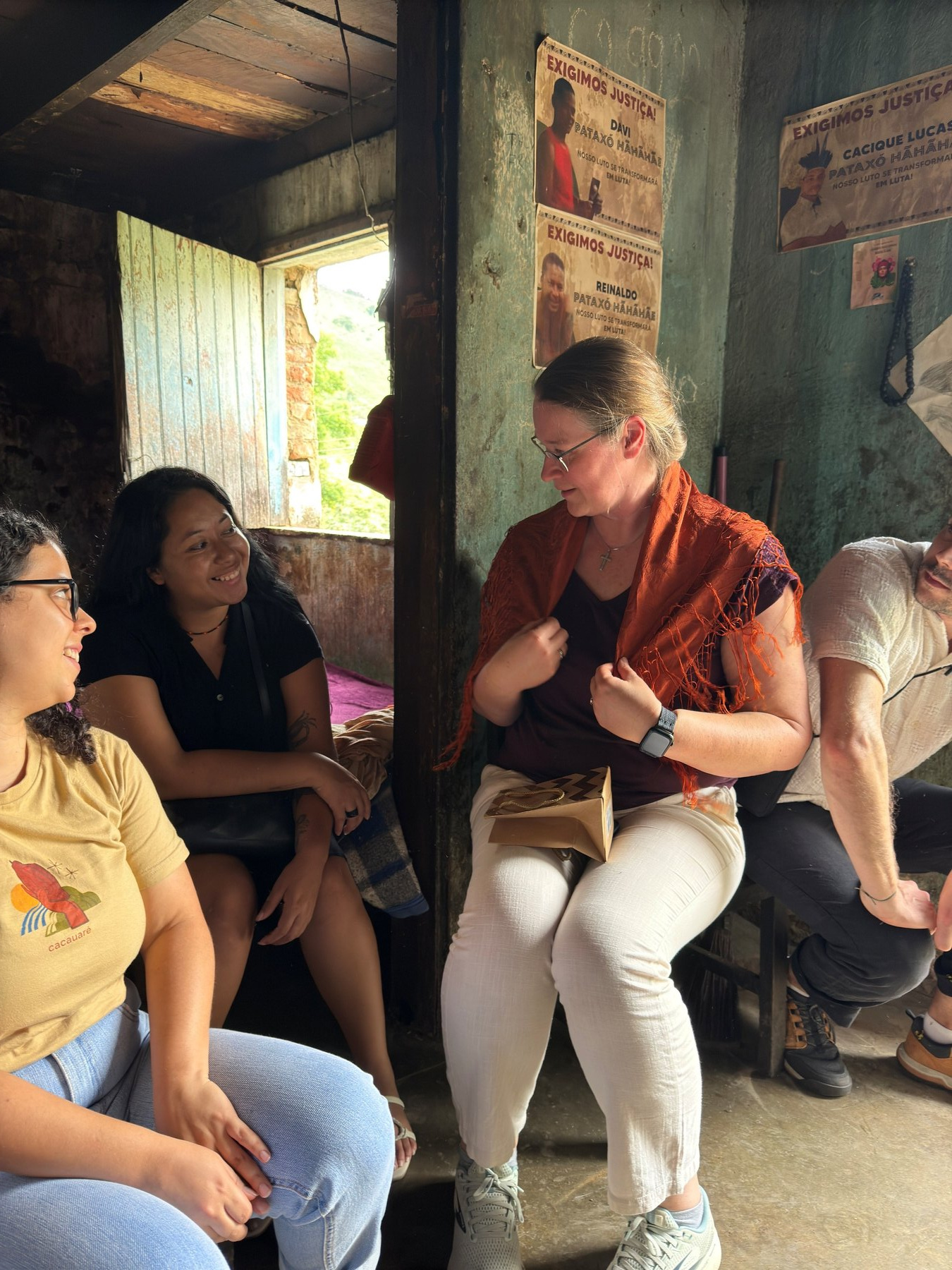
Photographs of four young men hang in Hamangai’s family home. Her cousins. They died fighting for their own land. Here, the past is not far away. The pain is felt in every word, every gesture.
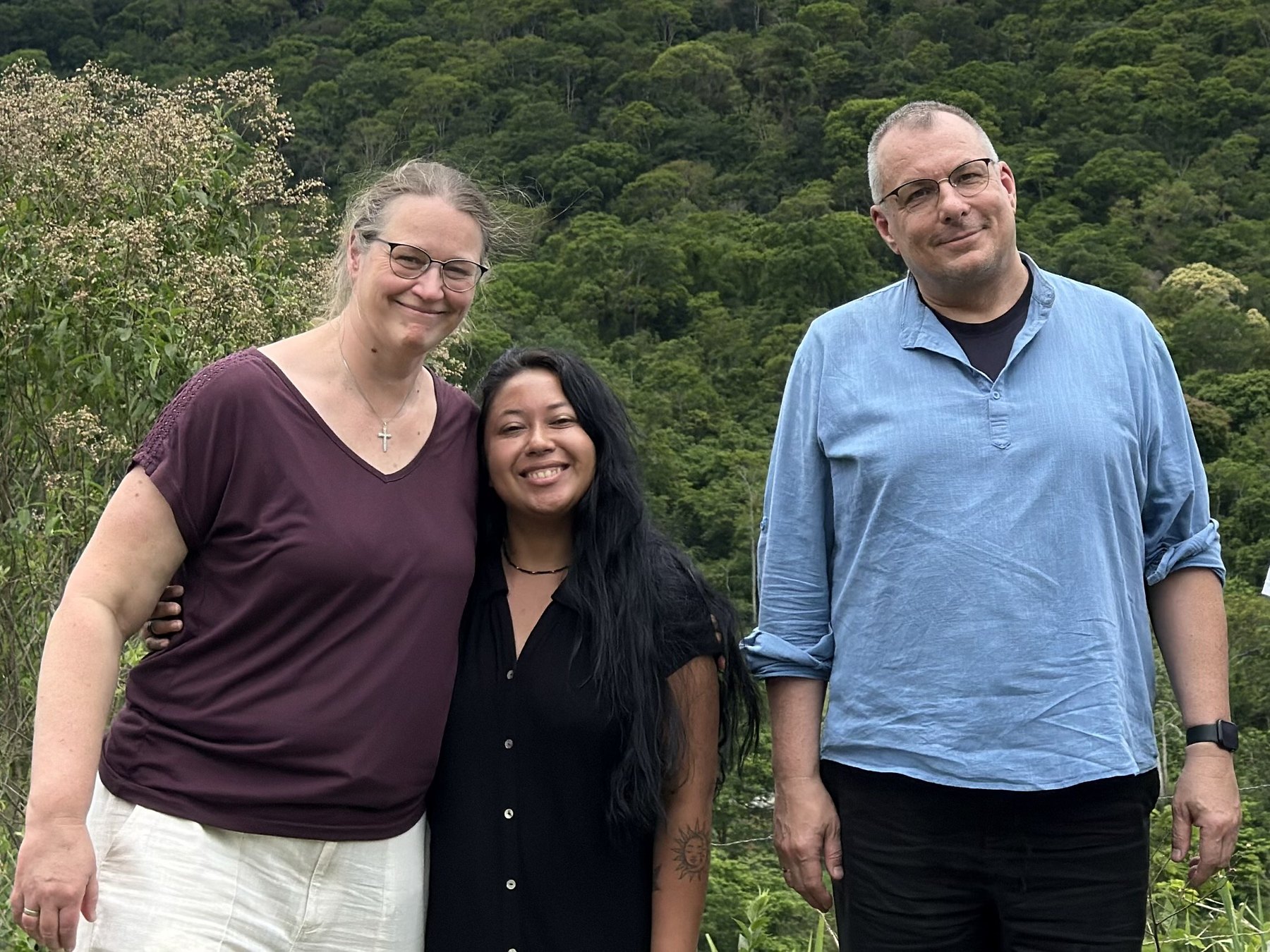
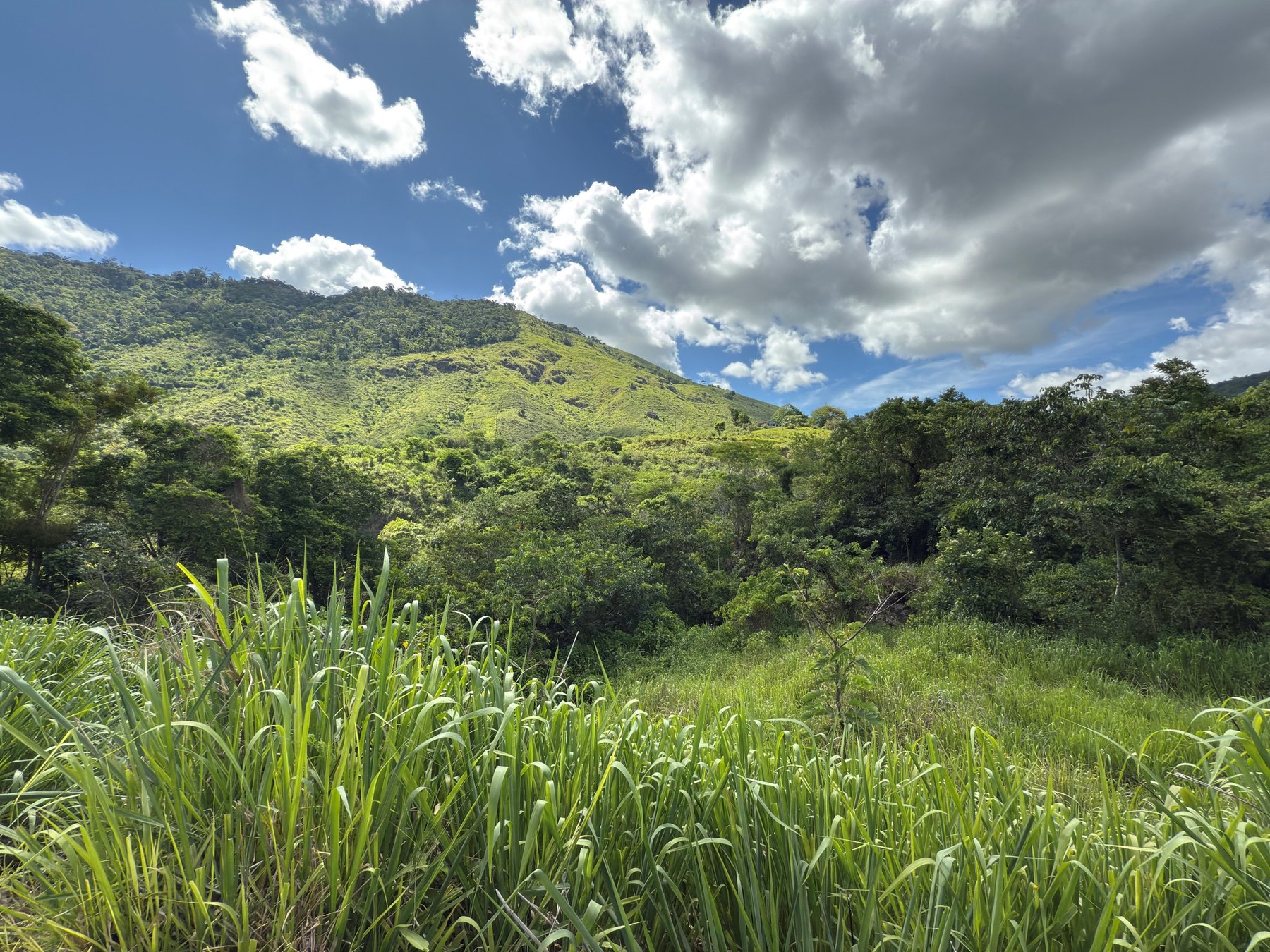
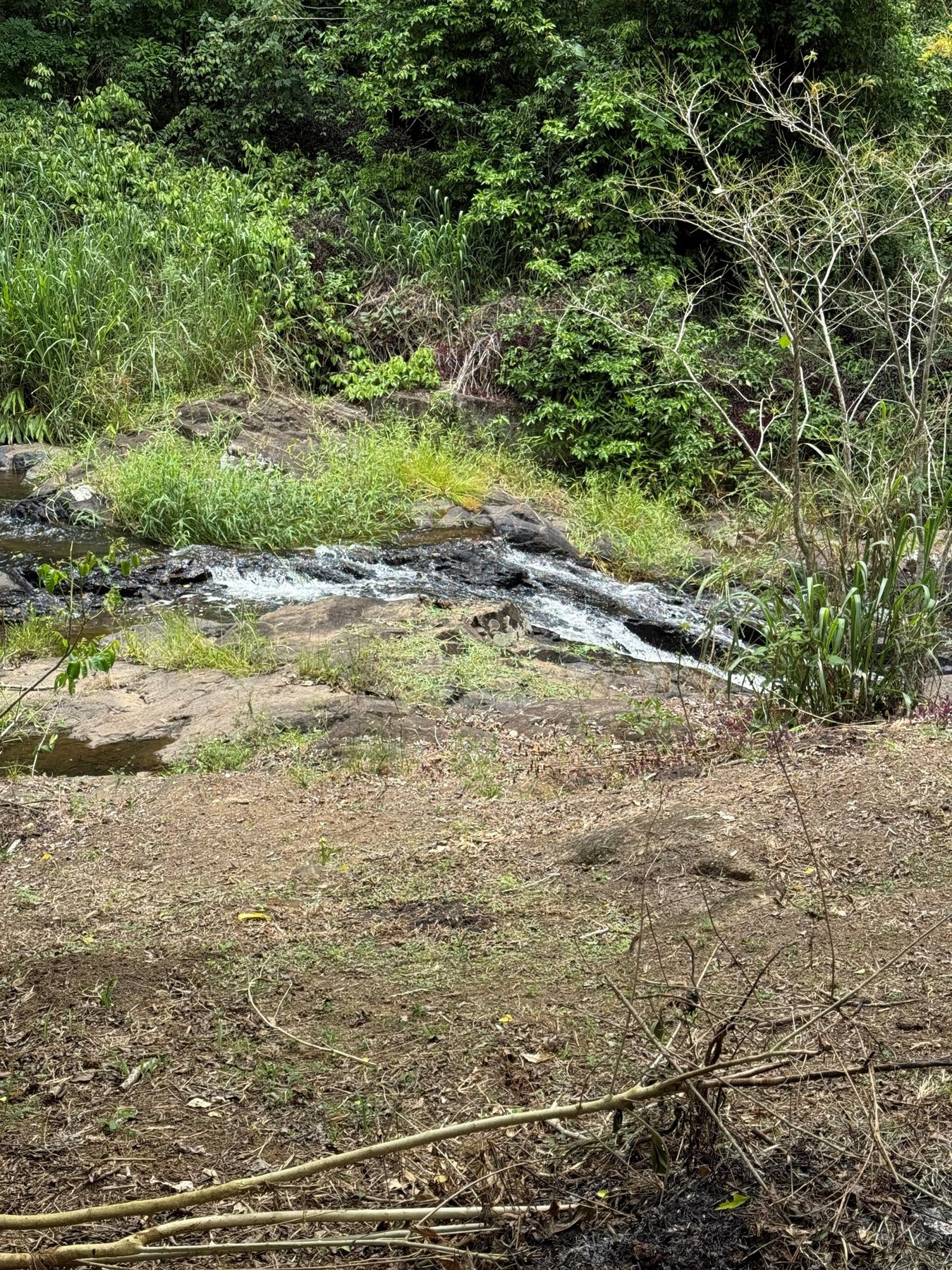
And yet people feel hope. This is where the “Planting Water” project begins. Together with IPCI, the local community and Instituto Floresta Viva, a tree nursery is taking shape, a future place of new life. Young trees are grown there to heal the land. They are planted in damaged areas. They help stabilise the soil, capture rain and bring water back. They provide shade, take root and create habitat for plants, animals and people.
“Planting Water” is a real process of healing, for the land and its people. With every new tree, hope grows: not only for nature, but also for people’s future. Children see that life can return even to scorched earth. They see that care and commitment make a difference.
And that their history, however painful, has a deeper meaning for the future. This project shows what IPCI stands for: protecting nature and culture, cooperation across borders, thoughtful action, and respect for Indigenous knowledge and human dignity.
It reminds us that protecting the pernambuco tree matters to people. It connects continents and gives us a bird’s-eye view of our responsibility for this planet. Only where roots have room can truth grow.
Material Demand and Responsible Use
Let us now return and take another look at the international regulation of pernambuco. When I gave this talk in Verbier, Althofen and Radebeul in 2025, it was still unclear whether pernambuco would be placed in CITES Appendix I, the strictest category of protection. That did not happen. At CoP20 in Samarkand, pernambuco remained in Appendix II. At the same time, the rules were tightened.
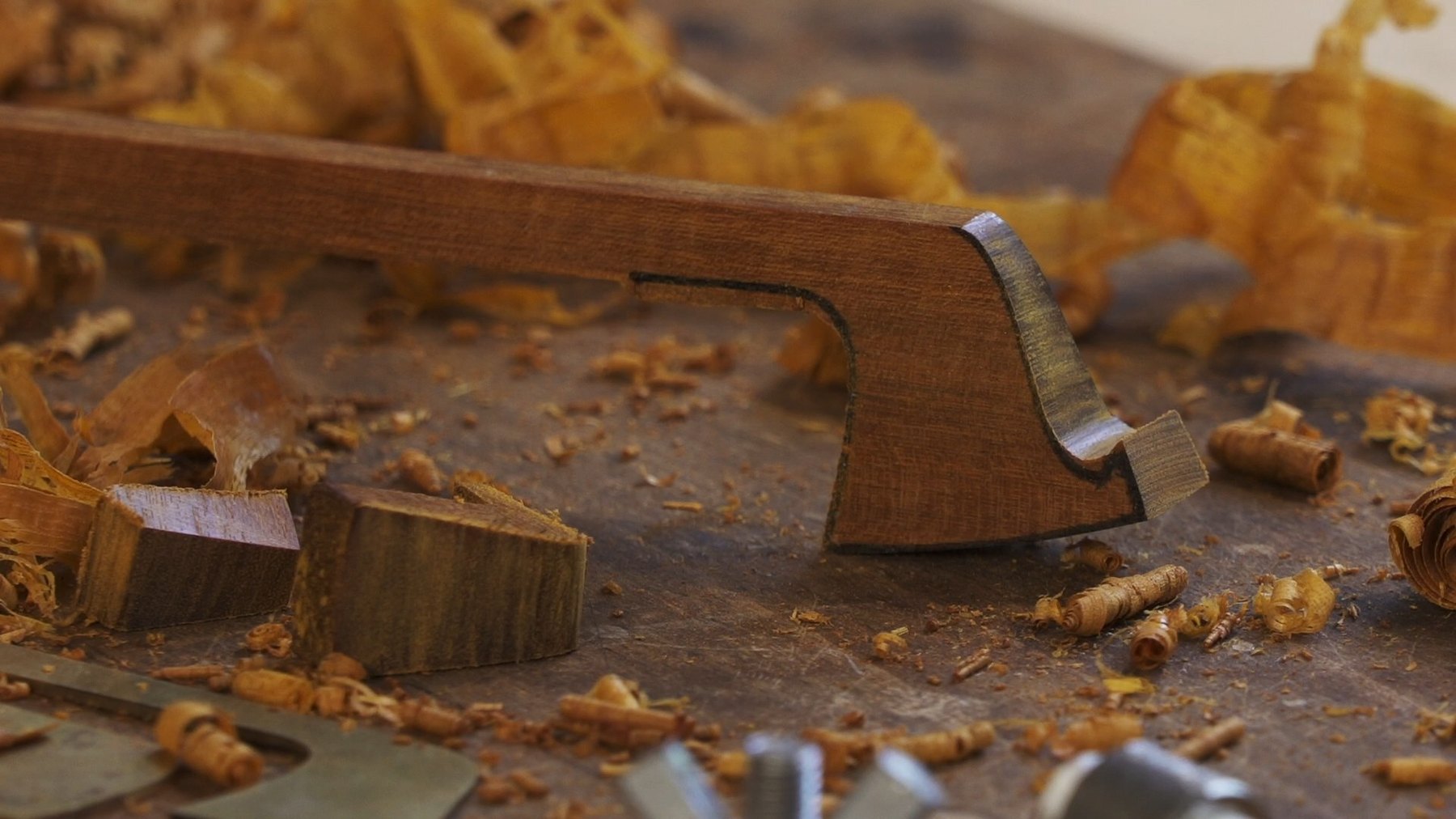
Species conservation and controlled, responsible use are to be brought together.
The legal and careful use of pernambuco contributes directly to reforestation. Around 25,000 pernambuco bows are made worldwide each year, including in Asia. Other bows are made from alternative woods or carbon fibre. They can serve part of the market, but so far they do not fully replace pernambuco in professional bow making.
Many bow makers still work with old, legal wood from registered stocks. These are known as pre-Convention stocks. Yet these supplies, too, will one day run out. As they diminish, new, legally sourced wood will be needed. Our study calculates a theoretical requirement for worldwide bow making of about 20 to 30 cubic metres of pernambuco per year, with a reference value of around 25 cubic metres.
It is therefore important to look at how pernambuco has been used for bow making. An estimated 6.6 million pernambuco bows have been made since around 1800, with a range of plus or minus 30%. According to our model, this corresponds to roughly 9,000 to 17,000 suitable trees. In the worst-case scenario, the total since 1800 is at most 50,000 pernambuco trees. Over the same period, approximately 50 million pernambuco trees were destroyed without being replaced.
The good news is that up to 3 million new trees have been planted since the 1970s. We also examined this issue in our study “Between Rainforest and Concert Hall”, due to be published in 2026. We investigated not only historical pernambuco consumption in bow making, but also future material requirements and the possibilities for sustainable use.
These figures matter because they help us understand the scale. The point is not to play down bow making’s historical consumption. Every tree used carries a responsibility. But we need to know the actual quantities involved when deciding on future solutions.
Worldwide bow making does not require vast areas of forest. It requires small quantities of wood with particular properties. That is precisely why we must ask: can we obtain this limited quantity from legal, sustainably managed stocks in the future? If we succeed, using the wood need not conflict with species conservation. It can instead become part of a system that combines protection, reforestation and responsible use.
Wood Quality, Not Tree Age Alone
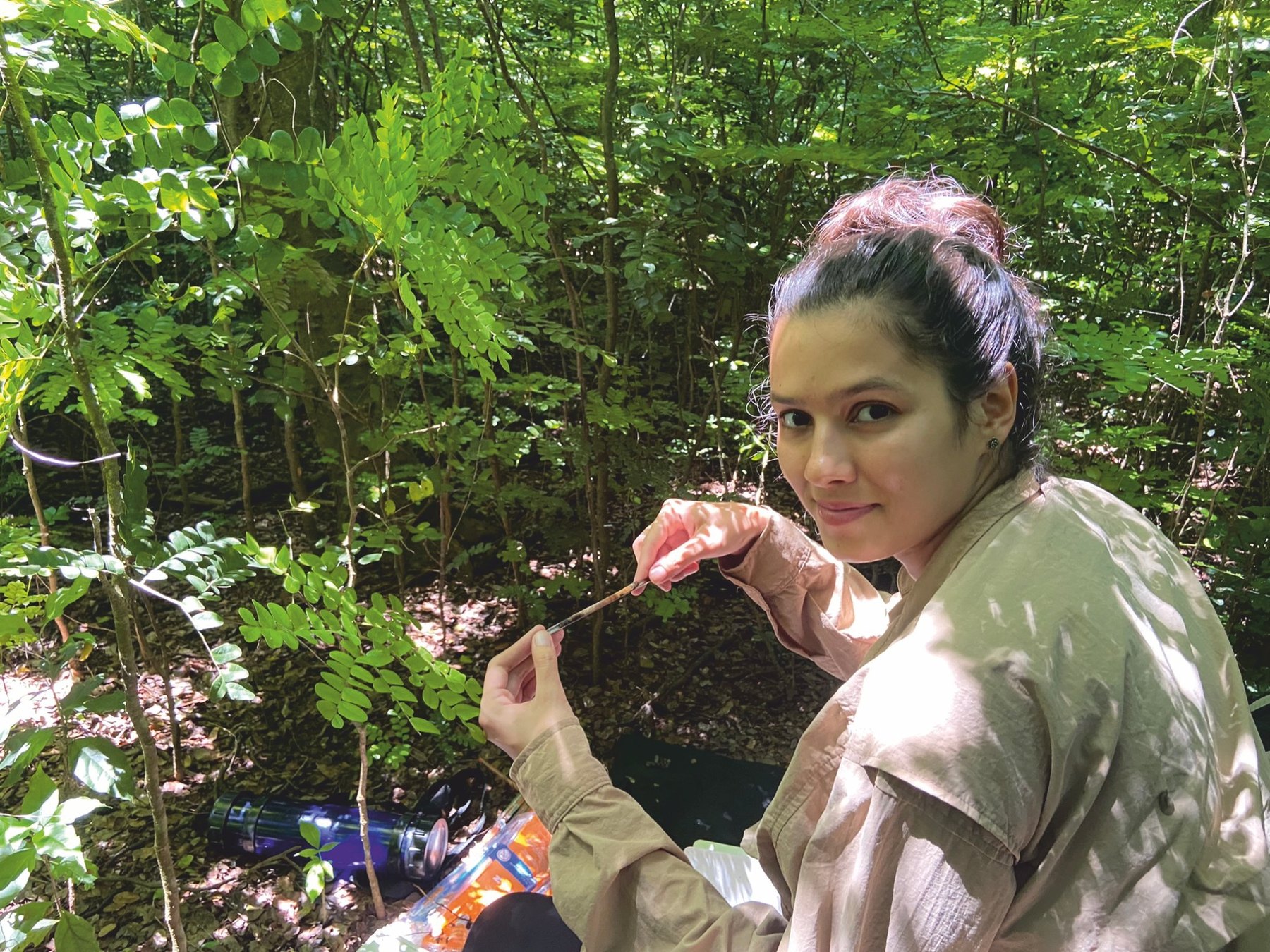
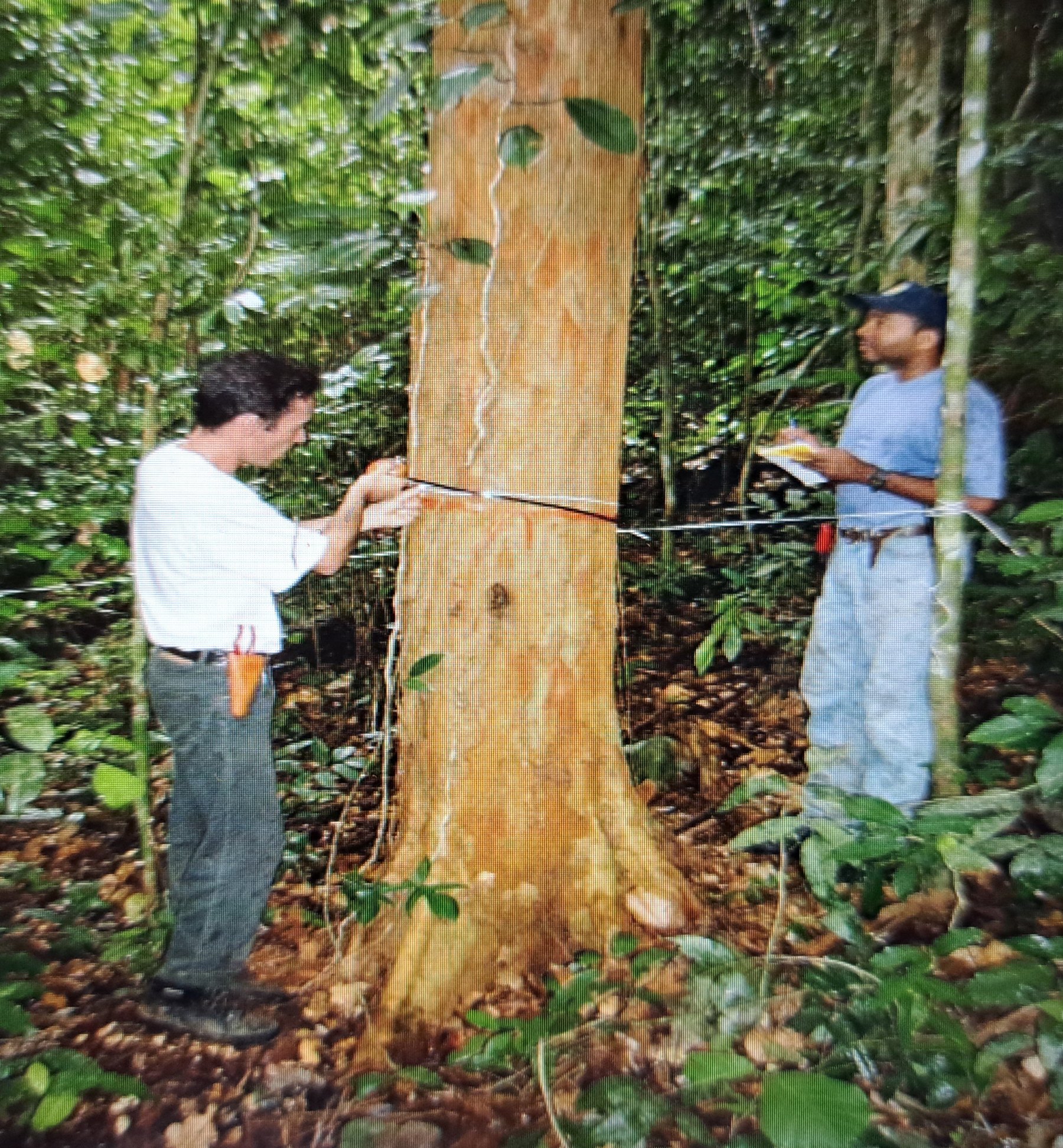
At the same time, research shows that age alone does not determine a tree’s suitability for bow making. What matters are the actual properties of its wood, including density, elasticity, strength and heartwood formation. This offers an opportunity for sustainable management: trees can be examined before a possible harvest. Only suitable specimens are used. Others remain standing, continue to grow and fulfil their ecological role. Plantings established in Brazil since the 1970s have already produced trees of dimensions relevant to bow making. Whether, and to what extent, this wood meets the required quality grades still needs further scientific investigation.
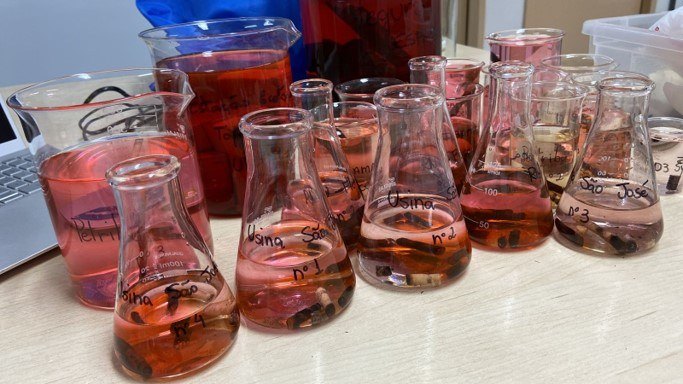
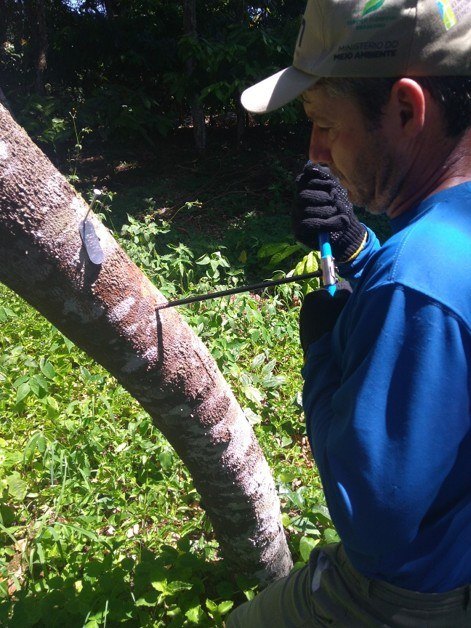
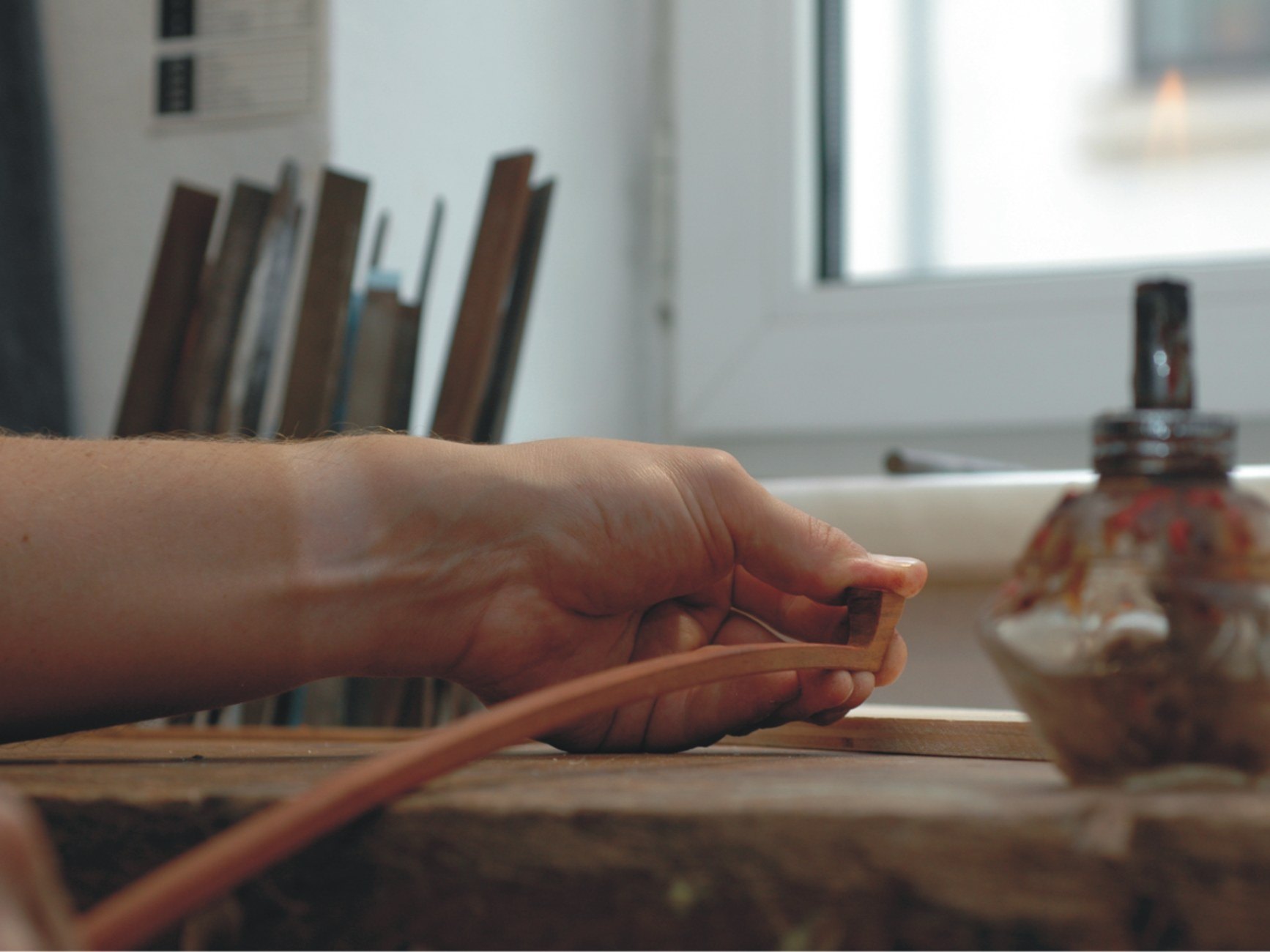
For us as bow makers, this is crucial. Not every pernambuco tree automatically yields wood suitable for a high-quality bow. Even within a suitable tree, not every piece of wood is equally usable. We therefore need to investigate much more closely which wood is actually needed and which properties are decisive. The better we understand these relationships, the more precisely we can select trees.
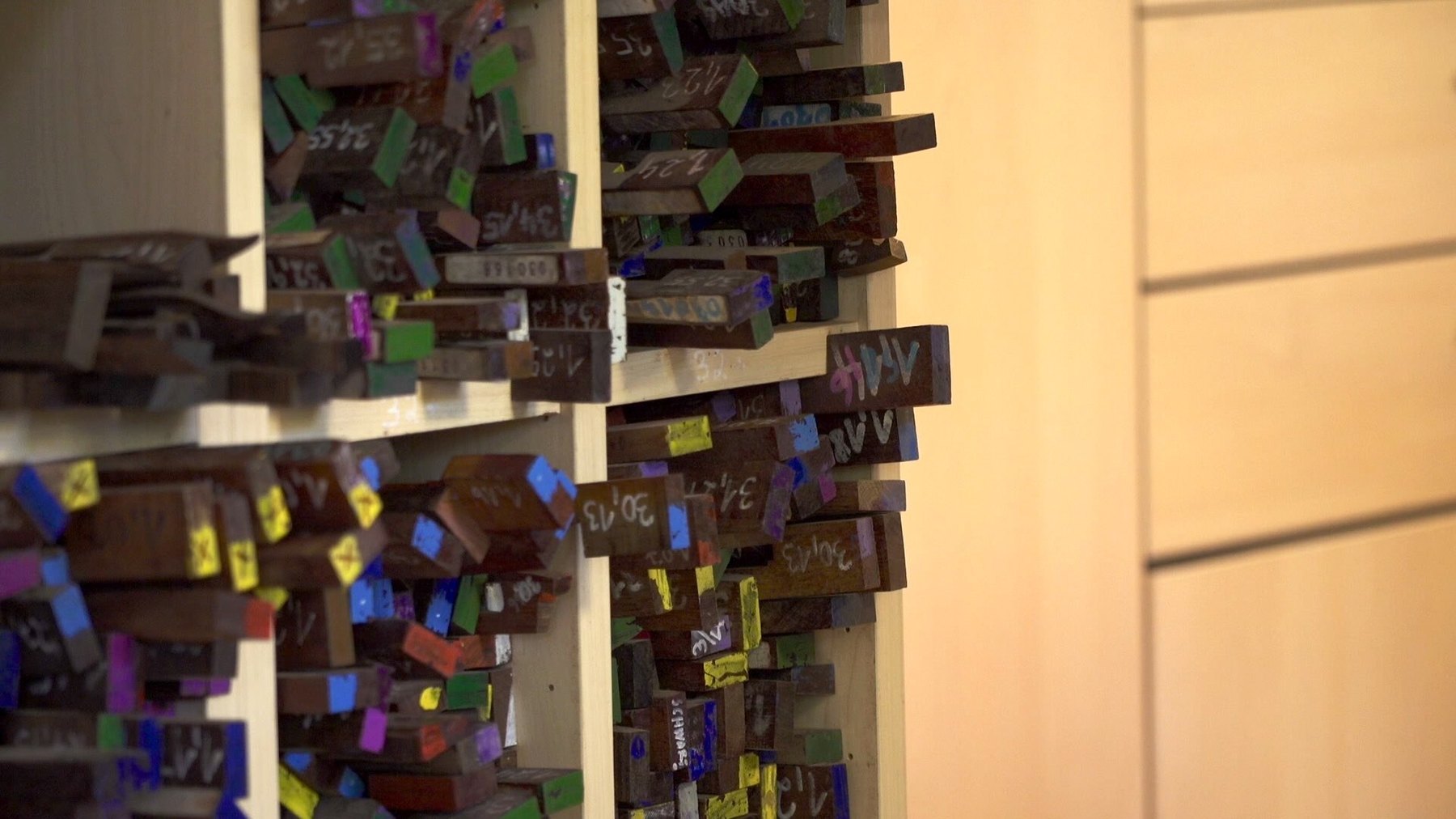
And the less wood needs to be harvested unnecessarily or discarded later. Sustainable use therefore means more than felling trees and planting new ones. Above all, it means using the right tree, at the right time and for the right purpose, while deliberately leaving others standing.
In recent years, the musical instrument sector has therefore advocated stricter but workable rules. The aim was not less species protection, but better control of illegal trade.
This includes transparency about legal wood stocks, documented origin and reliable traceability. We, too, want to protect nature, culture and craftsmanship. That is why we have advocated effective rules within Appendix II.
CITES After CoP20 in Samarkand
The 20th CITES Conference of the Parties took place in Samarkand in November and December 2025. Brazil had proposed transferring pernambuco from Appendix II to Appendix I. This proposal was not adopted. Pernambuco remained in Appendix II. Instead, Annotation #10 was amended and international trade in wild-sourced pernambuco was further restricted. A zero quota now applies to commercial international trade in wild-sourced pernambuco, equivalent to a complete ban on use. At the same time, exemptions were created for certain non-commercial movements of finished bows.

The official exemption, Annotation #10, now reads: All parts and derivatives, except finished musical instruments, finished musical instrument accessories and finished musical instrument parts moving exclusively for non-commercial purposes, including paid and unpaid performances, personal use, display, loan, competition, teaching, appraisal or repair, provided that no change of ownership occurs and the movement is not for sale, transfer or disposal of the specimen outside the owner’s usual country of residence. A zero quota applies to wild-sourced specimens (source code W) traded for commercial purposes.
What has applied since 2026?
Pernambuco remains in CITES Appendix II. In the European Union, the species continues to be listed in Annex B. The new Annotation #10 has applied internationally since 5 March 2026.
A zero quota applies to commercial international trade in wild-sourced pernambuco. Certain non-commercial cross-border movements of finished bows, however, are exempt from CITES permit requirements. These include personal use, performances, exhibitions, loans, competitions, teaching, appraisal and repairs. The conditions are that no change of ownership takes place and that the bow is not sold or transferred abroad.
This also avoided the considerable additional complications for travel with existing bows that an Appendix I listing would have brought.
Authorities and International Trade
CITES is an international agreement, but it is implemented by the competent authorities of each country. In Germany, the Federal Agency for Nature Conservation, the BfN, is responsible for the import, export and re-export of protected species. The authorities of the federal states also play an important role. For example, they examine the origin and lawful possession of a pernambuco bow. For existing bows, a document known as a Vorlagebescheinigung may be relevant. It serves as official evidence of documented origin or lawful possession and can be particularly important in subsequent permit procedures. This makes one thing clear: the international CITES rules are not the only factor. Their practical implementation and documentation in Germany are just as important.
The situation is different for international sales or changes of ownership. Here, CITES rules and the required evidence remain decisive. The term pre-Convention is particularly important. Pernambuco was added to the CITES Appendices on 13 September 2007.
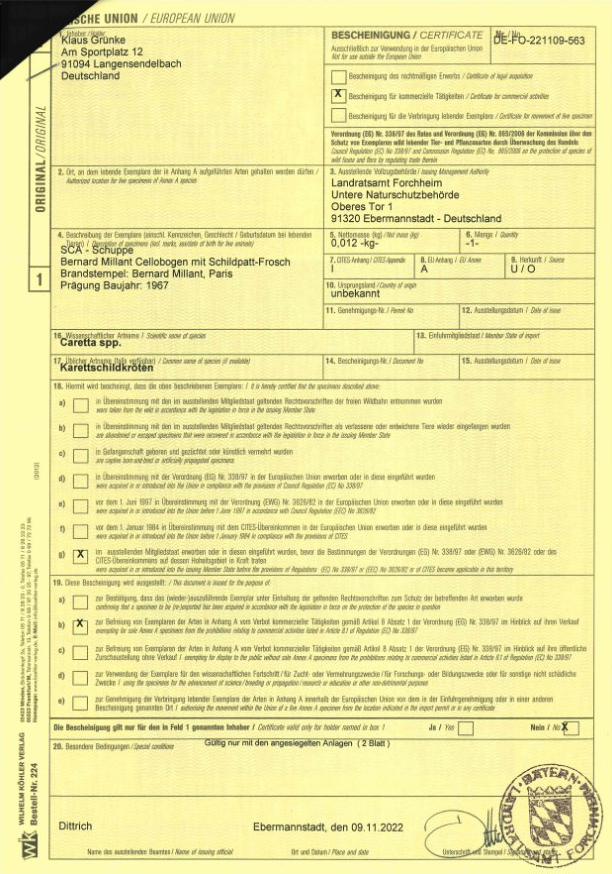
Wood and bows made from it may be treated as pre-Convention specimens if the relevant conditions were met before that date and this can be documented. Good records of age, origin and existing stocks are therefore becoming increasingly important.
Preserving a Bow’s History
What initially sounds very bureaucratic can become quite practical for musicians. Consider an old pernambuco bow that has been in a family for decades. As long as it is simply played and kept, a CITES question may never arise. The situation can change if the bow is later to be sold or traded internationally. Suddenly, it may matter who made it, how old it is, when it was acquired and which documents still exist.
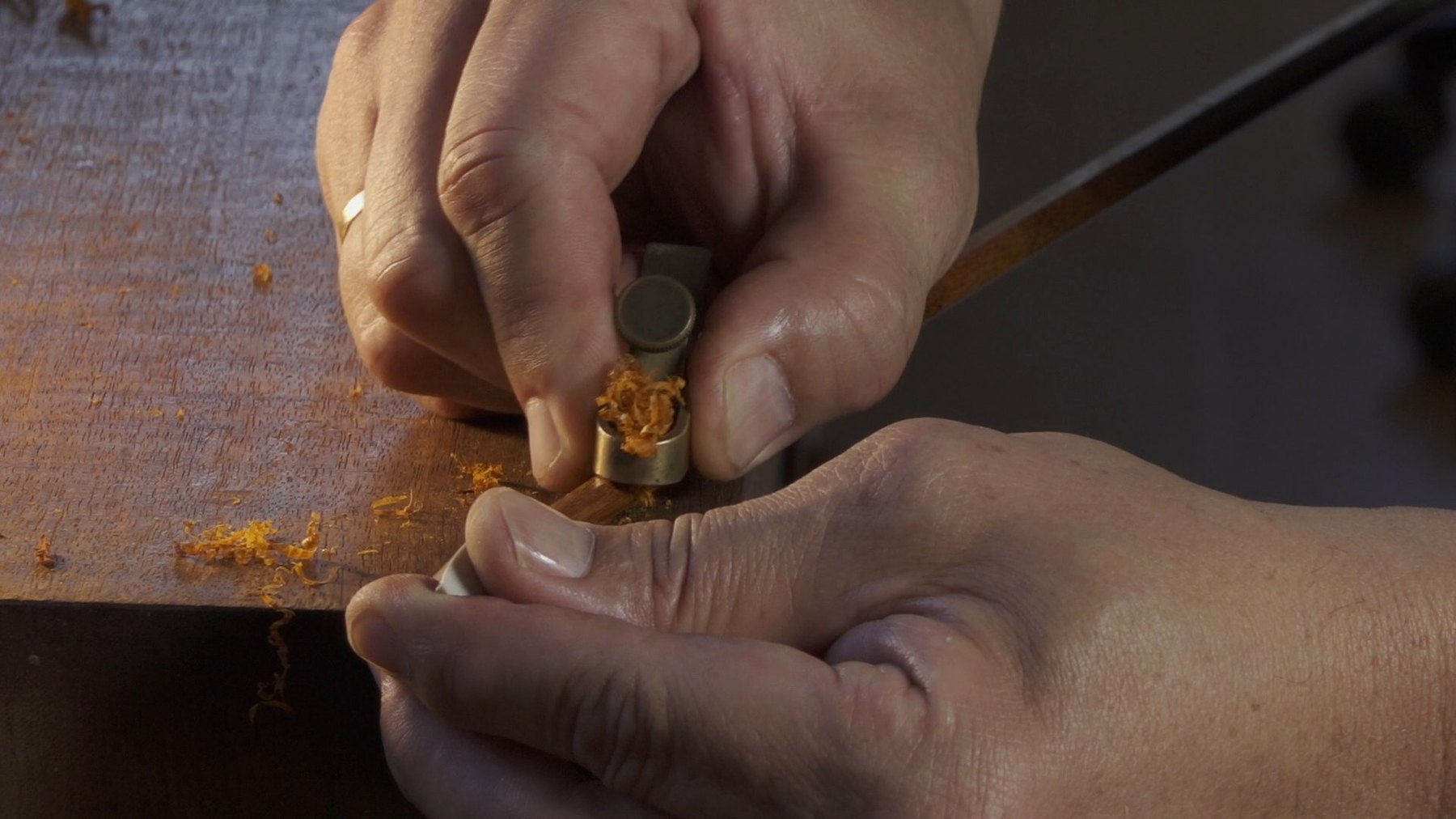
We should therefore not wait until a sale or permit application is imminent before looking for information. Documentation works best while a bow’s history can still be traced.
When musicians understand the material and its history, they treat the bow with particular care. It becomes a piece of nature shaped by craftsmanship and part of a living musical tradition. Caring for a bow also helps protect the wood.
A good bow can last many years, even generations.
Documentation is therefore becoming increasingly important. For a new bow, the legal origin of the pernambuco used should be traceable. For existing bows, available information and documents should be preserved and brought together wherever possible.
Helpful records include information on when and by whom a bow was made, as well as invoices, expert opinions, insurance documents or declarations of materials.
Personal possession of a pernambuco bow in the EU does not automatically require a CITES document. However, its origin and age may become decisive in a sale, change of ownership or international trade. Good documentation therefore protects more than the owner. It also supports legal trade and credible traceability.
New and Historical Bows Need Different Solutions
Here, however, we must distinguish between new and historical bows. With a new bow, we can document from the outset where the wood came from, which stock it belonged to and who made the bow. For a bow that is one or two hundred years old, the situation is naturally different. We cannot retrospectively invent an unbroken supply chain that was never documented at the time.

Other information must help: the bow maker’s work, the bow’s age, invoices, expert opinions, insurance documents or a traceable ownership history. Future traceability must therefore do both: be as precise as possible for new bows, while remaining practical and realistic for historical bows.
Considering Conservation, Reforestation, and Legal Use Together
The decision in Samarkand therefore does not mark the end of the work. In the coming years, the focus will be on implementing the new rules in practice. This includes documented origin and traceability for pernambuco. Equally important are the documentation of existing stocks and workable rules for historical bows and pre-Convention wood. Another central issue is a legally secure framework for using legally planted stocks in Brazil. CITES is therefore continuing its work on traceability, stock controls and implementation that is as harmonised as possible. For us as bow makers, this means showing that controlled, responsible use can work. We need reliable documentation, transparent material flows and cooperation with Brazil and the authorities. Species conservation and bow making must not be seen as opposites.
A sustainable future is possible only if protection, reforestation and legal use are considered together.
Musicians can also support projects such as IPCI. They can share information, support reforestation and research projects, and carefully document their own bows. This is where much will be decided in the coming years. The question is no longer simply whether pernambuco should be protected. There is essentially no doubt about that. The crucial question is what a system must look like to achieve that protection in practice. A system that excludes illegal wood, makes legal stocks traceable, supports reforestation and sustainable management in Brazil, and also recognises that millions of bows already exist and have been part of our musical heritage for generations. If we find workable solutions, CITES can be more than an instrument for restricting trade.
It can help distinguish legal from illegal use and thereby strengthen those who are genuinely working to preserve the species.
This is about more than music. It is about accepting responsibility. The decision in Samarkand gives us time, and responsibility. If we succeed in bringing together protection, reforestation, traceable documentation and legal use, species conservation and the centuries-old tradition of bow making can have a future together. The central message is this: musicians and bow makers are not the problem; they must be part of the solution.
Obrigado! Danke! Thank you!